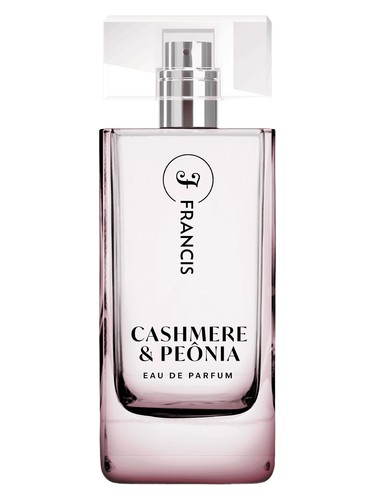
Cashmere & Peônia
Fragrance notes
Cashmere & Peônia opens with a bright mandarin orange that feels lifted and clean rather than heavy or syrupy. The citrus is present enough to give the fragrance an immediate fresh character, but it does not dominate the entire composition. Peony sits close behind and carries the heart with a soft floral tone that stays light on the skin. It reads as a fresh flower rather than a perfumed interpretation, and the petals feel airy instead of dense. Cashmere wood anchors the blend with a gentle woody presence that rounds out the sharper edges of the fruit and the flower. The result is a smooth mix where citrus, floral, and woody elements sit side by side.
The accord list adds more detail to what the nose actually experiences. There is a clear musky and amber base that gives the blend a subtle warmth, along with a balsamic touch that deepens the wood without making it dark. Fruity and rose nuances appear alongside the peony, giving the floral heart a slightly broader shape than a single note would allow. The overall impression stays fresh and citrus-led, yet the woody and musky foundation keeps it from feeling thin. It suits someone who prefers a light floral that still has a grounded base, and it works well for daytime wear in mild weather. It may not satisfy those looking for a bold or dramatic presence.
The mandarin and peony remain the most noticeable elements throughout, while the cashmere wood and musk continue to support them in the background. The amber and balsamic facets add just enough depth to keep the fragrance from feeling one-dimensional, and the rose accord gives the floral side a tiny bit of extra texture. It stays close to its fresh and woody identity from start to finish, with the citrus never fully leaving and the flower never becoming too sweet. The composition feels balanced across its accords, with each part contributing something small to the whole without any single element taking over the blend completely
Smells similar
Built from the same materials — ranked by how unusual the shared notes are, not by how many.