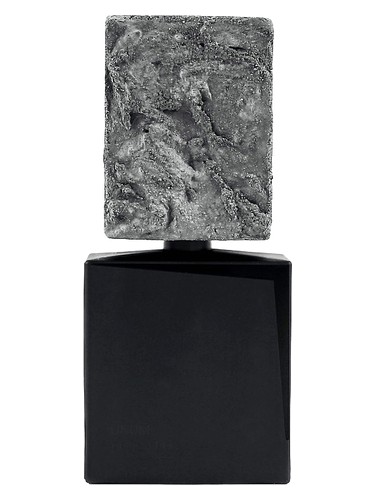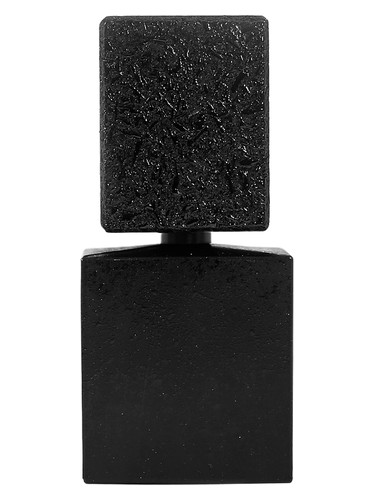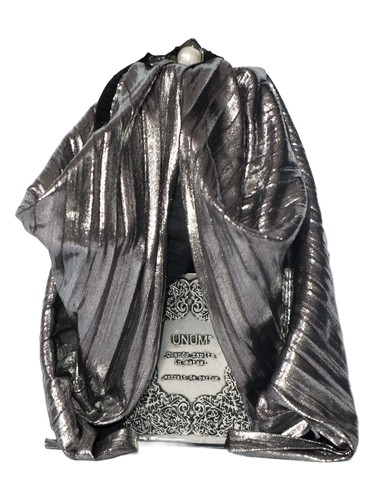
Quando rapita in estasi
Fragrance notes
Character
Filippo Sorcinelli’s “Quando rapita in estasi” opens with a startling collision: cold incense smoke meets the green, almost aquatic snap of lily-of-the-valley, while cedar adds a dry, pencil-shaving sharpness. It’s a churchy beginning, but one that quickly warms as a rich, jammy peach emerges from the heart, dusted with clove’s piquant spice. The fruit never turns candied; instead it feels bruised and sacramental, as if laid on an altar of balsam fir and labdanum. The base is a dense, patient unraveling of vanilla, tonka, vetiver, and patchouli, all steeped in more incense until the whole thing settles into a sweet, smoky, conifer-laced amber with a leathery undertow. The overall character? Imagine a stained-glass window melted into a puddle of honey and pine resin, then dabbed behind the ears.
This is unapologetically niche — resinous, aromatic, and slightly gothic, but with a sunlit peach that keeps it from turning into a funeral parlor. The sillage is polite rather than commanding, and longevity hovers around moderate, which feels appropriate for a fragrance that whispers more than it shouts. It suits someone who loves contrasts: the sacred and the syrupy, the cold and the cloying. Skip it if you want a loud beast or a straightforward freshie; this one rewards patient sniffing. Ideal for crisp fall afternoons or winter evenings when the air already smells of woodsmoke and frost, it feels at home in a book-lined study or a quiet cathedral courtyard at dusk.
Smells similar
Built from the same materials — ranked by how unusual the shared notes are, not by how many.