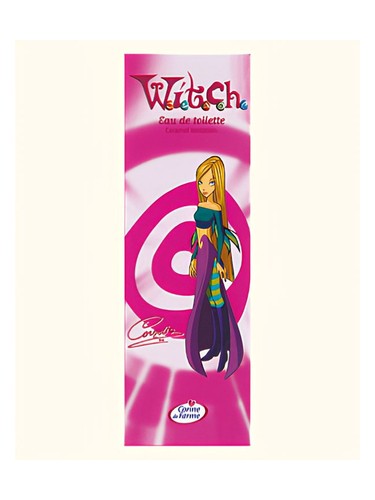
Witch Corn
Fragrance notes
Character
The picnic blanket is spread over grass that still holds morning damp, and a small bowl of blackberries and black currants sits open beside a basket of sliced strawberries. The air carries that crushed fruit scent, dark and tart at first, then softening as the berries warm in the sun. Big strawberry joins them, its juicy brightness lifting the sharper edges of the currants until the air smells like a kitchen where someone is slicing fruit for a tart. Vanilla drifts in next, smooth and familiar, followed by coconut that smells like fresh shavings rather than sunscreen. Tonka bean rounds the edges, adding a gentle warmth that keeps the fruit from feeling cold. The whole scene smells like a backyard table in the middle of the day, with sunlight on the wood and a breeze moving through the trees.
This is not a perfume that tries to be complicated. It stays close to the pleasure of ripe fruit and simple sweetness, the kind of smell that makes a walk home feel slower because the air is good. The coconut and vanilla give it a soft, creamy texture that feels comforting without becoming heavy, while the berries keep it bright and alive. It suits someone who enjoys a fragrance that feels like a treat, something cheerful and easy that does not ask for attention. There is no sharpness here, only a gentle gourmand warmth that feels approachable. The floral touch in the background adds a lightness that keeps the sweetness from overwhelming the fruit. It is a scent built for open air and easy moments, where the day feels unplanned and good. The final impression is coconut and vanilla.
Smells similar
Built from the same materials — ranked by how unusual the shared notes are, not by how many.