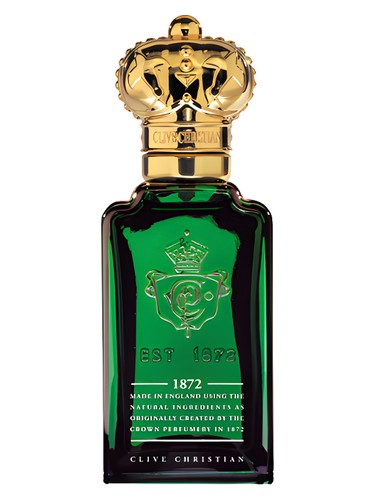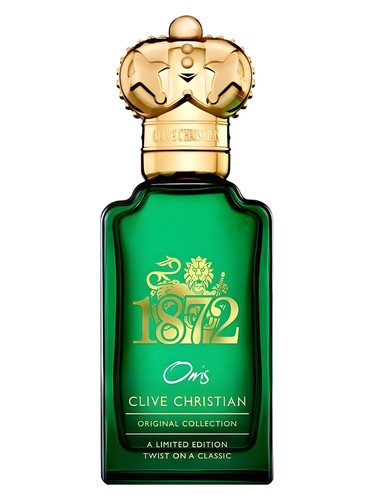
1872 Orris
Fragrance notes
Character
Clive Christian’s 1872 Orris is not a fragrance for anyone who wants to blend into the background, and its biggest limitation is that it refuses to be subtle. The opening is a bright, juicy burst of grapefruit, bergamot, and mandarin orange, lifted by the green, slightly bitter edge of petitgrain. It feels like stepping into a sunlit citrus grove at midday, the air warm and the fruit heavy on the branches. But that burst of freshness doesn’t ease in gently, it arrives with a sharp, almost abrasive clarity that can feel overwhelming if you’re expecting a soft, approachable intro. The iris and magnolia in the heart try to smooth the edges, but the citrus stays loud, pushing the florals into the background rather than letting them breathe.
That loudness carries through the drydown, where the orris and vetiver add a earthy, woody depth, and the sandalwood and amber bring a creamy, slightly powdery warmth. The tonka bean and musk soften the edges just a bit, but the incense adds a dry, smoky note that keeps it from feeling too sweet. It’s a scent that demands attention, the kind you wear when you want to be noticed in a crowded outdoor café, the sunlight hitting the glass of your drink and the scent lingering on your skin as you laugh with friends over iced tea. It doesn’t apologize for taking up space, and that’s exactly the point.
The problem is that same boldness makes it exhausting to wear for long, especially if you have a sensitive nose. It’s not a “second skin” scent, it’s a statement, and if you’re looking for something quiet and versatile, this will feel like too much. The iris and orris are beautifully done, powdery and elegant, but they’re drowned out by the initial citrus blast and the persistent woody, spicy drydown. It’s a fragrance for days when you want to feel polished and put together, but it’s not for anyone who prefers their scents soft, understated, or easy to wear. That refusal to tone itself down is both its greatest strength and its most glaring flaw.
Smells similar
Built from the same materials — ranked by how unusual the shared notes are, not by how many.