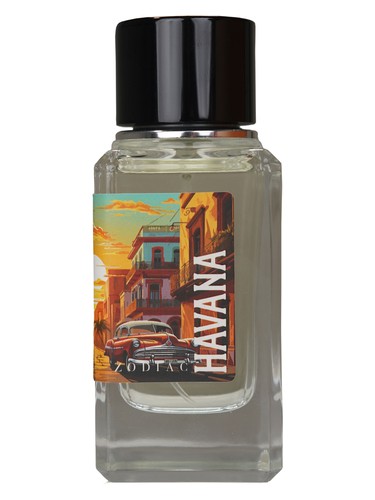
Havana
Fragrance notes
Character
A courtyard in the old city, mid-morning, white stone still holding the night’s cool. The air is bright with Sicilian Orange and Calabrian bergamot, their sharp citrus oils rising off the peel as someone idly zests fruit over a glass. It smells of immediate freshness, uncomplicated and direct. Then heat begins to rise from the paving. Nigerian Ginger and Ceylon Cinnamon warm the air, a dry, dusty spiciness that feels like sun on linen. Tunisian Neroli sits quietly in the background, its orange-flower bitterness stopping the spices from becoming sweet. It is a bright, outdoors smell, entirely suited to the light hitting the walls.
As the sun climbs higher, the top notes recede into a low hum. Chinese Black Tea becomes the focus, its damp, slightly bitter leaf scent mixing with the resinous smoke of frankincense. It smells like dried tea bricks and church incense carried on a hot wind. Ambroxan adds a mineral, skin-like warmth that pulls the scent close rather than pushing it out. The greenery of the accord is not a sharp leafiness, but the dry, baked scent of shrubs on a hillside. It is here the fragrance settles, trading the initial brightness for a composition that feels grounded and terrestrial.
The base is a study in textures rather than distinct notes. Guaiac wood offers a smoky, leathery roughness that scratches against the smooth, synthetic glow of the ambroxan. It is not a polished or refined finish; it has the weight of old timber and scorched earth. The frankincense provides a slender thread of spirituality, keeping the woody accord from feeling too heavy or masculine in a traditional sense. There is a tension between the cooling tea and the heating spices that refuses to fully resolve, leaving a faint, green-tinged smoke hanging in the air, caught between the shade of the arches and the glare of the street.
Smells similar
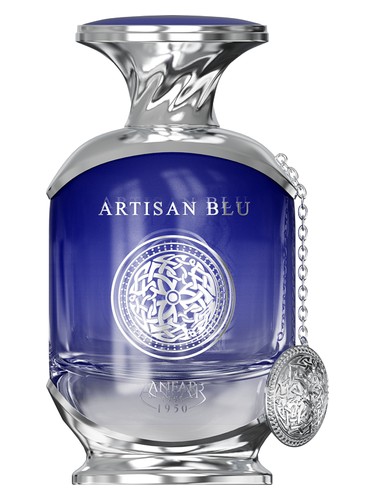
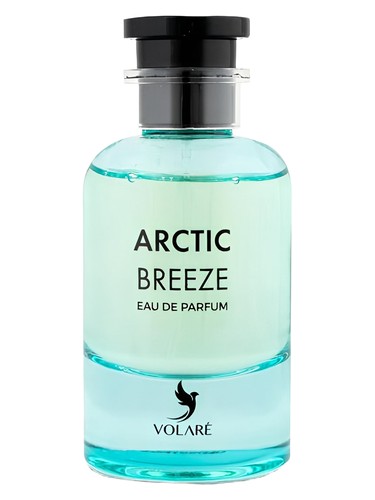
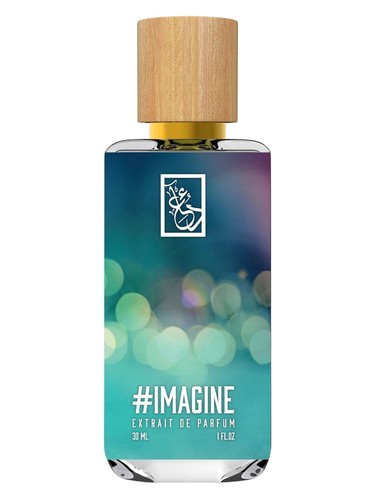
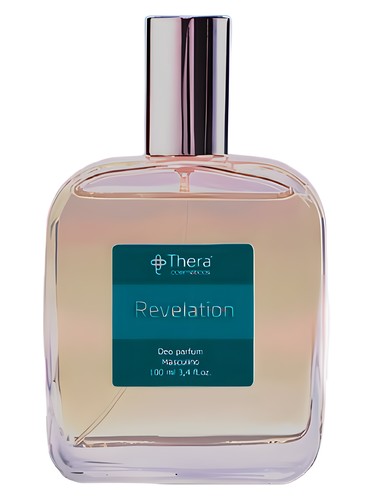
Built from the same materials — ranked by how unusual the shared notes are, not by how many.