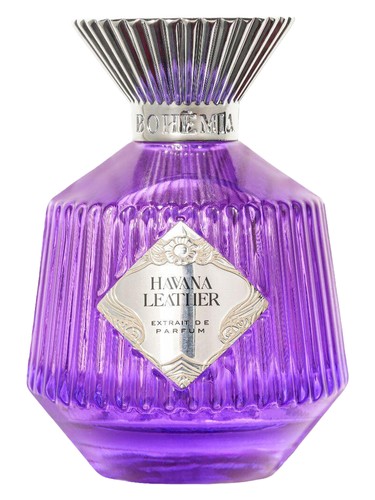
Havana Leather
Fragrance notes
Character
Havana Leather is for the person who treats sunlight as a staging ground rather than a threat. Osmanthus opens with a juicy, slightly lactonic apricot glow that catches the light and holds it, refusing to hide in the shade. Instead of the usual dark, brooding leather that feels destined for a dim club, this heart note arrives warm and pliable, like a well-worn jacket draped over a café chair at noon. It is a leather that breathes. Akigalawood anchors the base with a dry, peppery woodiness that keeps the fruity opening from ever feeling sticky or juvenile. The overall profile is a confident mix of floral, oud, and smoky accords that project warmth without relying on heavy, night-time resins. It smells like optimism pressed into hide.
Yet that brightness is also where the argument hits a snag. While the osmanthus and leather are a compelling duo, the transition between them can feel a bit stark, as if the fruity top note simply evaporates rather than melting seamlessly into the skin. The akigalawood provides a modern, synthetic edge that keeps things interesting, but it lacks the deep, evolving complexity found in more expensive leather interpretations. It is a fragrance of distinct stages rather than a continuous, shifting narrative. You get the sun-drenched fruit, then the leather, then the wood; they don't always intertwine as much as they take turns occupying the same space.
This makes it a specific recommendation for those who prefer their leather scents transparent and assertive rather than moody and introspective. It works best when you want to feel put-together and visible, matching the energy of a busy street or a sunlit workspace. However, if you are looking for a scent that blurs the lines between notes or offers a deeply nuanced, mysterious dry down, this might feel too literal. It is a scent of clear intentions and sharp edges, offering a unique take on leather that demands attention but doesn't always invite a second, closer look.
Smells similar
Built from the same materials — ranked by how unusual the shared notes are, not by how many.