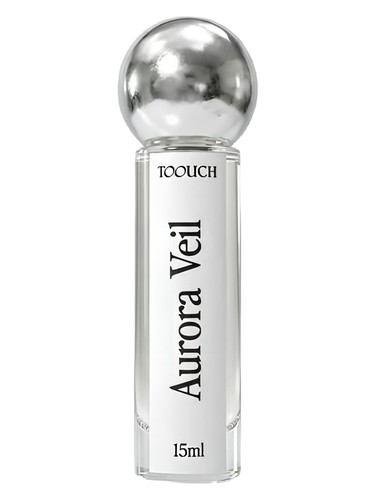
Aurora Veil
Fragrance notes
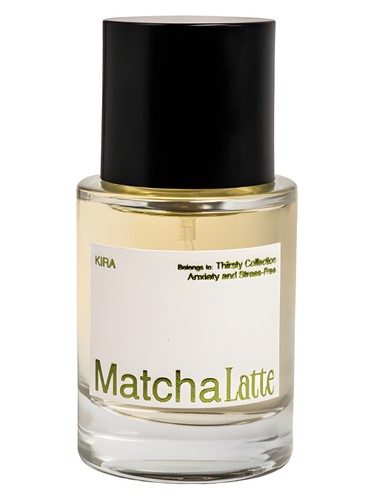
Toouch positions Aurora Veil as a floral woody musk, but the composition argues for something far more specific. This is a fragrance built for the person who wants to smell clean, not decorative. The opening fully commits to that premise with a sharp, slightly bitter green tea and matcha pairing, bolstered by a bright citrus sting. It does not smell like a traditional perfume. It smells like steam rising from a hot cup of green tea in a room where someone just peeled a lemon. The roots note adds an earthy, slightly rough texture that keeps the first few minutes from feeling too polished.
Once the initial sharpness settles, the heart notes begin to soften the edges. Orange blossom brings a gentle white floral lift, but the addition of milk changes the entire trajectory. Instead of turning soapy or heady, the scent becomes smooth and round. It is a lactonic transition that leans into the powdery accord without becoming dusty. The argument here is comfort. Aurora Veil shifts from an energetic, crisp opening to something you want to wrap around yourself, like a favorite soft sweater.
The base seals the deal for daily wear. Vanilla and musk are a classic combination, yet here they are handled with a light hand. It stays close to the skin, emphasizing the musky and woody accords rather than devolving into a sugar bomb. It is sweet, but the sweetness is pale and creamy, like vanilla sugar dusted over steamed milk. This is where the fragrance makes its final case: it is a second-skin scent that prioritizes atmosphere over statement.
Aurora Veil is for the minimalist who finds most perfumes too aggressive. It suits a quiet morning routine or a focused afternoon, providing a sense of calm without demanding attention. If you prefer bold sillage and heavy projection, this will feel far too withdrawn. It is a clean, cozy bubble of green tea and cream that sits quietly in the fabric of your day. Imagine the feeling of cool linen against your skin on a breezy spring morning.
Smells similar
Built from the same materials — ranked by how unusual the shared notes are, not by how many.