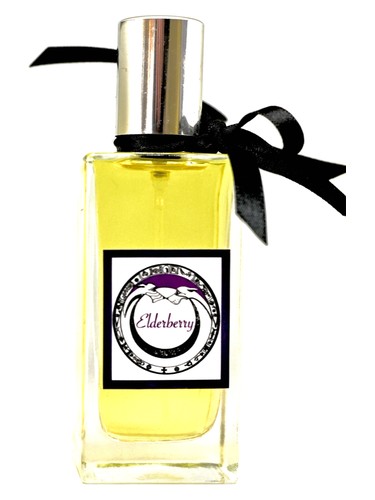
Elderberry
Fragrance notes
Character
The kitchen windows are open to the cool morning air. A bowl sits on the wooden table, piled high with dark elderberries and slices of greengage plum. The scent rising from the fruit is bright and sharp, touched with the zest of lime and the bitter spark of grapefruit. Bergamot adds a polished citrus sheen over the crushed blackberries, making the air smell alive and vivid. It is a moment of pure, uncooked freshness, the kind that stains your fingers purple before breakfast.
As the fruit rests in the bowl, the aroma deepens. The elderberry returns, now heavier and richer, surrounded by the glossy sugar of candied fruits. Raspberry and peach add a soft, rounded warmth, while pear brings a crisp, pale edge to the mix. The air feels thick with sweetness, but it is a natural sugar, the kind that clings to the skin of a ripe piece of fruit. The room smells like a market stall at the height of the season, overflowing with baskets of harvest goods.
Wooden spoons rest near the bowl, and their presence changes the air. Quince offers a dry, golden texture that grounds the juice. Vanilla smooths the edges without turning the scene into a dessert, while oak and sandalwood provide a sturdy, earthy foundation. The scent becomes less about the fruit alone and more about the entire setting. The wood of the table and the fruit on its surface begin to smell like one single thing, blended together in the quiet light.
The juice from a split berry runs slowly across the grain of the oak, carrying the green, citrus, and sweet accords into the cracks of the wood, mixing with the vanilla and sandalwood in a way that makes the whole room feel permanently marked by this specific morning, the air still holding onto the raspberry and pear as the sunlight moves across the floorboards.
Smells similar
Built from the same materials — ranked by how unusual the shared notes are, not by how many.