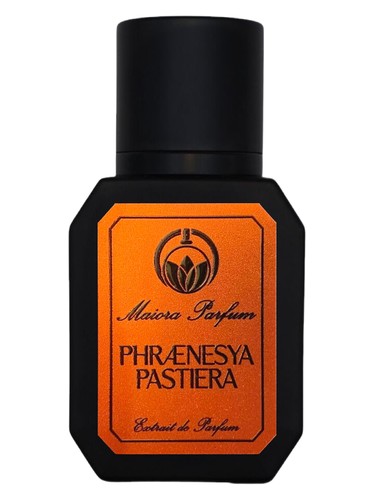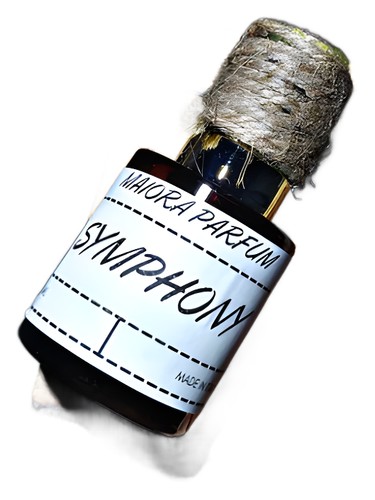
Symphony Extrait de Parfum
Fragrance notes
Character
Symphony Extrait de Parfum works best for someone who wants a white floral bouquet to sit inside a heavy, resinous frame. The opening gives a bright orange and saffron lift, but that citrus flash is only there to lead the eye away from the real weight waiting underneath. The heart brings rose, Tunisian neroli, jasmine, tobacco blossom, and Madagascar ylang-ylang together in a dense, creamy profusion. It feels lush and slightly green, with the tobacco blossom adding a pollinated softness that keeps the florals from snapping into sharp focus. This is not a light spritz for a quick errand. The white floral and yellow floral accords dominate the middle, and they demand attention in a way that suits slow, deliberate wear.
The drydown is where the argument settles. Oud, incense, ambergris, oakmoss, precious woods, and patchouli form a dark, smoky, and sweet foundation that swallows the remaining petals. The incense and oud give the base a resinous thickness, while the oakmoss and patchouli pull the sweetness toward earth. Precious woods add a dry, carved-out texture that makes the amber accord feel grounded rather than sugary. It becomes a fragrance of contrasts, where the green and citrus accords from earlier now read as shadows against the smoke. The saffron lingers just enough to bridge the florals and the resin, keeping the transition from feeling abrupt.
Maiora Parfum has built something that asks the wearer to accept a floral heart that gradually disappears into a smoky, amber-heavy terrain. The person who enjoys seeing a bright beginning get overtaken by deep woods and incense will find the progression satisfying. It suits cooler evenings when a full, layered presence feels appropriate, and the unisex balance means neither the rose nor the oud dominates the personality. There is a particular kind of patience required to enjoy a fragrance that starts in full bloom and then steadily retreats into a dark, smoky
Smells similar
Built from the same materials — ranked by how unusual the shared notes are, not by how many.