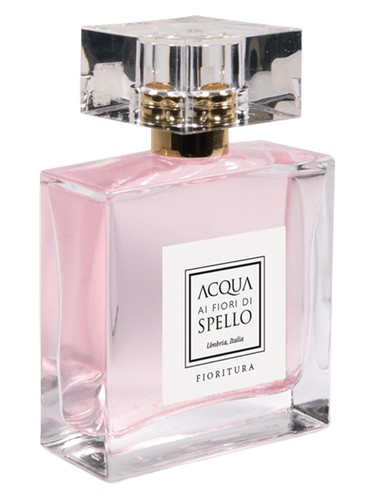
Fioritura
Fragrance notes
Character
Cornflower or Sultan seeds open the composition with a gentle herbal lift, joined quickly by the warm bite of pimento and the slightly bitter edge of artemisia. This green introduction feels airy and brisk, steering the scent away from heavy sweetness before the floral heart even appears. Poppy, water lily, broom, and jasmine unfold together in the middle, creating a soft yellow and white floral blend that stays fresh rather than dense. The flowers do not compete for attention, allowing the herbal top to remain present as the scent develops.
White musk, cedar, and labdanum form a base that is powdery, musky, and lightly woody. The musk smooths the transition from the bright heart, while cedar adds a clean structure and labdanum contributes a faint resinous weight. The overall character is floral, herbal, sweet, and fresh spicy, with a powdery finish that feels traditional rather than modern. It suits a bright morning in a garden or a walk through open fields when the air is warm and the light is clear, capturing a calm outdoor mood without trying to be bold.
The sweetness increases as the hours pass, and the resinous base can feel slightly heavy against the otherwise fresh opening. The herbal sparkle fades, leaving a powdery musk that some will find too soft and a little dated. It is pleasant and easy to wear, but the balance shifts away from its best qualities, and the later stages lack the clarity that makes the opening enjoyable.
Smells similar
Built from the same materials — ranked by how unusual the shared notes are, not by how many.