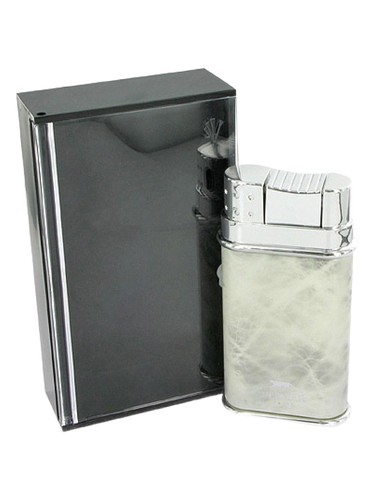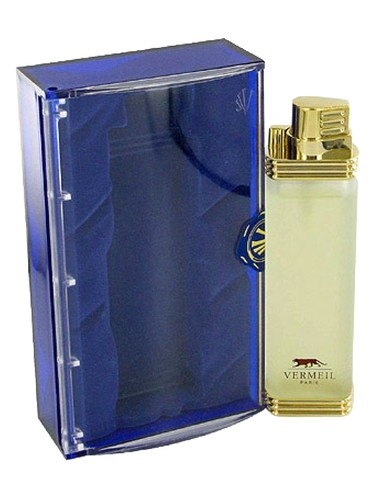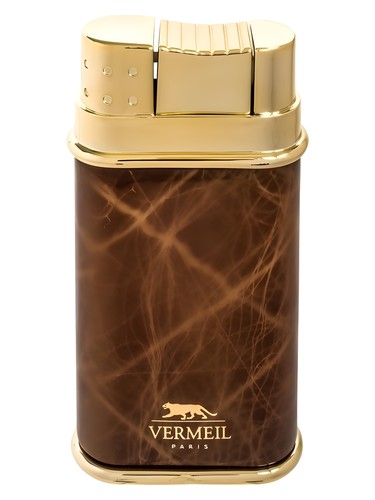
Vermeil Pour Homme
Fragrance notes
Character
Vermeil Pour Homme opens with a tart slap of blackcurrant and galbanum, all green bite and sour fruit, before a surprisingly tender mandarin and bergamot soften the edges. The heart is where this fragrance reveals its ambition: a dense, almost old fashioned floral bouquet of carnation, violet leaf, jasmine, rose, and ylang ylang, threaded with a dusty coriander spice. It smells like a forgotten gentleman’s club where the leather chairs have been replaced by a greenhouse in full bloom. The base anchors everything with oakmoss, patchouli, vetiver, and cedar, a woody earthy foundation that keeps the florals from floating away into mere potpourri.
This is an Oriental Fougere that leans much heavier on the floral and green side than the typical fougere barbershop. It feels natural in the way a pressed herbarium feels natural, slightly dusty and melancholic, not at all synthetic or screechy. Its moderate sillage and longevity (around 3.5 each) mean it stays close, a quiet companion rather than a room filler. That restraint is actually a strength for cooler evenings, where the warmth of the base and the spice can bloom without overwhelming.
Who should wear it? Someone who appreciates a complex, slightly retro floral woody scent, unafraid of a little romance. Skip it if you want fresh aquatic citrus or aggressive gourmand sweetness, this is introspective, not extroverted. Best suited for fall and winter evenings, especially those crisp nights when a scarf is optional but a scent that feels like a wool coat over a silk tie is just right.
Smells similar
Built from the same materials — ranked by how unusual the shared notes are, not by how many.