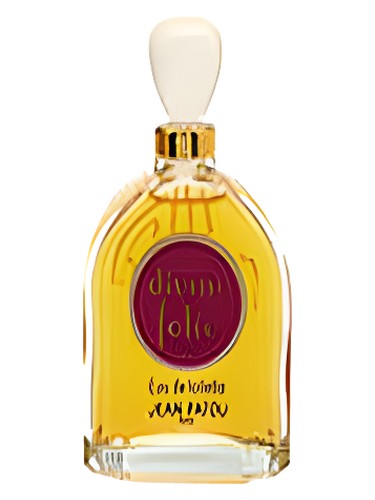
Divine Folie
Fragrance notes
Character
Divine Folie opens with ylang-ylang and neroli that feel bright and slightly oily in the air. The ylang-ylang carries a ripe, banana-like softness that the neroli cuts with a clean, bitter edge. As the fragrance moves into the heart, rose and jasmine take a central place, rounded out by African orange flower and the dry, rooty presence of orris. Vetiver threads through the florals with a green, earthy line that keeps the composition from settling into pure sweetness. The orris adds a powdery texture that sits close to the skin while the vetiver continues to push a woody impression forward. Vanilla and musk form the base, with vanilla lending a warm, cream-like weight and musk giving a soft, slightly animalic finish that lingers on fabric and skin through a cool morning walk or a dim, heated room where the air feels heavy.
The floral accord stays dominant throughout, but the vanilla grows more noticeable as the hours pass, blending with the powdery orris to create a smooth, slightly nostalgic drydown. Rose and jasmine never fully fade, and the neroli continues to flash through in small bursts that keep the sweetness from becoming flat. The vetiver remains present in the background, adding a dry, woody counterpoint that suits a gray sky and a thick sweater. Divine Folie feels composed and steady, moving through its notes with a clear order that respects each ingredient without letting one overtake the others, the vanilla and musk holding the final stages together as the florals drift in and out of focus while the air around you stays quietly scented with rose and orris
Smells similar
Built from the same materials — ranked by how unusual the shared notes are, not by how many.