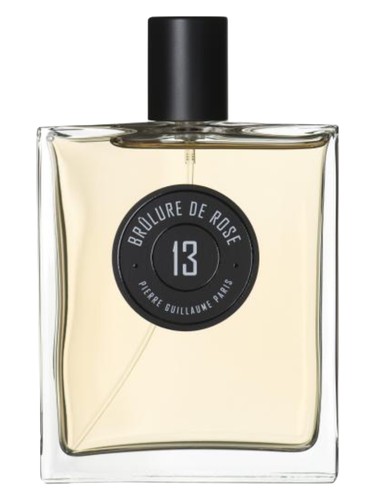
Brulure de Rose 13
Fragrance notes
Character
Brulure de Rose 13 opens with a tart, almost jammy raspberry that feels like it’s been crushed into a dark rose. The rose here is not dewy or fresh, but dried and slightly smoky, as if heated by a nearby candle. Within minutes, the cacao and vanilla bloom into a soft, powdery sweetness, while the Brazilian rosewood adds a warm, woody backbone that keeps the whole thing from tipping into dessert territory. The amber and musk in the base turn it into a second skin, a gentle haze of sweetened powder and faint spice.
This is the scent of a dried rose petal pressed against a warm radiator, its color bleeding into dust. The overall character is a cozy yet melancholy Oriental Woody, more introverted than loud. It feels synthetic in a polished way, like niche perfume from the early 2000s that prioritizes mood over projection. The sillage is indeed modest at just under 3, and longevity hovers around 3 hours before it becomes a whisper. That is its main weakness: you get a lovely, intimate cloud that asks for a reapplication, especially in the fall and winter when it performs best.
Who should wear it? Someone who prefers a quiet, contemplative rose, one that has been cooked down into something silken and slightly smoked. Skip it if you need your rose to scream across the room or if powdery vanillic sweetness makes you claustrophobic. Wear it on a gray afternoon with a wool scarf, or as a daytime companion when you want to feel wrapped in warmth without announcing yourself. It is a fragrance that asks to be sniffed up close, and that is exactly its charm.
Smells similar
Built from the same materials — ranked by how unusual the shared notes are, not by how many.