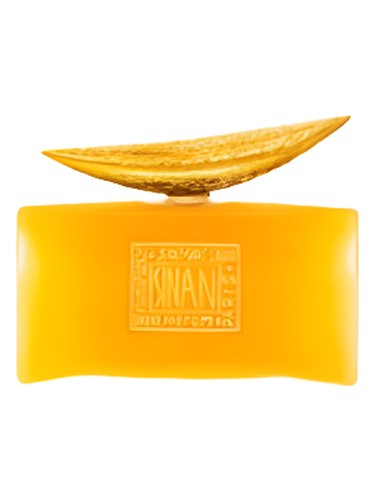
Sinan
Fragrance notes
Character
Sinan opens with a sharp, green slap of coriander and aldehydes over a Brazilian rosewood that feels almost medicinal, like a cut stem before you’ve even seen the flower. The bergamot doesn’t sweeten so much as sharpen the edges, and for a moment you’re standing in a damp greenhouse at dawn. Then the floral heart tumbles in—rose and carnation pushing through with a powdery, almost waxy texture, jasmine and ylang-ylang adding a creamy sweetness that the iris and geranium keep in check. It’s not a bouquet; it’s a whole pressed herbarium, slightly dusty and very 1984. The drydown is where Sinan really earns its chypre bones: oakmoss and patchouli wrestle with incense and vetiver, while amber and musk hold the whole thing together like old library leather. The overall character? Imagine a vintage silk scarf that’s been left in a drawer with dried lavender and a crumbling bar of sandalwood soap—elegant, slightly austere, but with an unexpected warmth beneath the moss. It feels natural in a way that modern perfumery often forgets, though the longevity is moderate at best and the sillage hovers close to the skin after an hour. This is not a fragrance for those who want projection or sugary comfort. It suits someone who appreciates complexity over compliments, who wants a scent that smells like a place rather than a mood—specifically, a forest floor in October after a light rain. Wear it on a cool autumn evening with a cashmere coat, or on a rainy spring afternoon when you need something grounding. It works day or night, but it shines most when the air is damp and the light is low.
Smells similar
Built from the same materials — ranked by how unusual the shared notes are, not by how many.