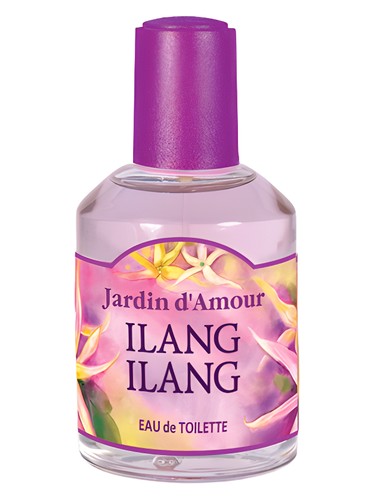
Ilang Ilang
Fragrance notes
Character
Ilang Ilang wants to be an effortless summer stroll through a blooming garden, but it trips before it leaves the gate. The opening is sharp and unbalanced, with the bergamot and lemon feeling harsh and synthetic next to the plastic almond note. Instead of a harmonious Mediterranean breeze, the first few minutes smell like a chemical experiment gone wrong, where the fruit is too tart and the florals are trapped behind a screeching citrus wall. It is a jarring start that tests your patience, forcing you to wait and hope the heart will eventually find its footing.
Slowly, the composition warms up and the frangipani and jasmine begin to peek through the haze. The gardenia-like creaminess of the frangipani tries to soften the edges, while the rose adds a dewy, fresh petal quality. When the heliotrope finally arrives, it brings a soft, powdery almond touch that feels much more natural than the opening. It creates a cozy, slightly soapy clean skin scent that is pleasant and inoffensive. It smells like standing in a humid greenhouse, surrounded by wet leaves and heavy white flowers, safe and pretty but never truly exciting.
The tragedy of Ilang Ilang is that just as it begins to smell like a proper fragrance, the performance falls apart. The beautiful floral bouquet lacks depth and the musky base feels thin, offering no real anchor to the bright top notes. It remains a skin scent that sits flat, refusing to project any emotion or drama. For a fragrance named after the flower of flowers, it is surprisingly forgettable, leaving you with a pretty whisper that fails to make a lasting impression.
Smells similar
Built from the same materials — ranked by how unusual the shared notes are, not by how many.