Roses in The Rain
Fragrance notes
Character
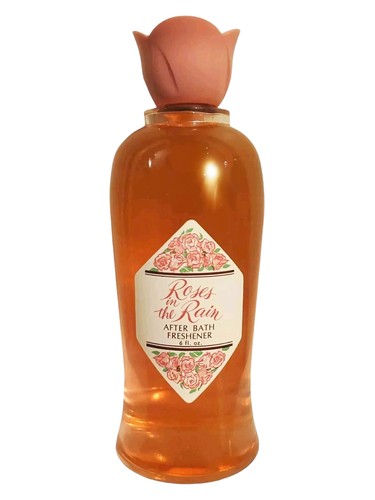
Roses in The Rain is a fragrance for the person who wants to stand in a damp garden rather than walk past a tidy flowerbed. The combination of pink rose and wildflowers gives the scent a natural, slightly unruly character that refuses to be polished. Aldehydes add a clean, airy lift that keeps the petals from feeling heavy or arranged, while the moss and musk ground the blend with a cool, earthy texture. It smells like vegetation after water has touched it, capturing the wet soil and the green stems alongside the bloom. This composition argues for a beauty that is fresh and slightly herbal, offering a portrait of nature that is lively and uncultivated.
The argument continues through the contrast between the bright florals and the darker mossy base. This is not a perfume that sits neatly on a vanity; it is meant for open air and movement through a landscape where the ground is soft. The herbal accord weaves through the rose, suggesting leaves and stems rather than just the flower head, and the musk provides a skin-like warmth that prevents the aldehydes from becoming too sharp. Studio Girl created a scent that feels specific to a morning where the world is wet and full of growth. The pink rose here is dewy and real, supported by the fresh accords that make the entire experience feel like a walk outside.
When the wildflowers and the moss meet the aldehydic sparkle, the result is a scent that feels honest about its environment. It suits someone who enjoys the smell of a garden that has not been manicured, where the pink rose grows among other plants without a plan. The musk lingers in the background, giving the floral and herbal notes a place to rest without taking over the conversation. This is a statement about preferring the real texture of nature over a stylized version of it, and the way the notes interact suggests a connection to the outdoors that is both refreshing and deeply rooted in the earthy details of the ground beneath the flowers
Smells similar
Built from the same materials — ranked by how unusual the shared notes are, not by how many.