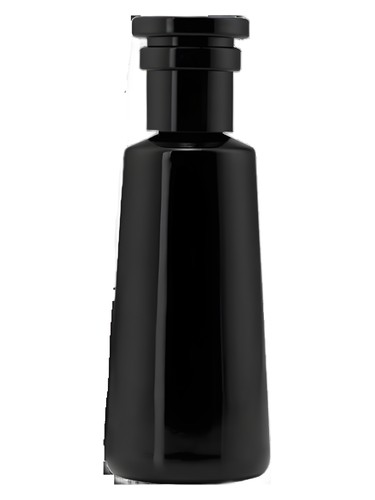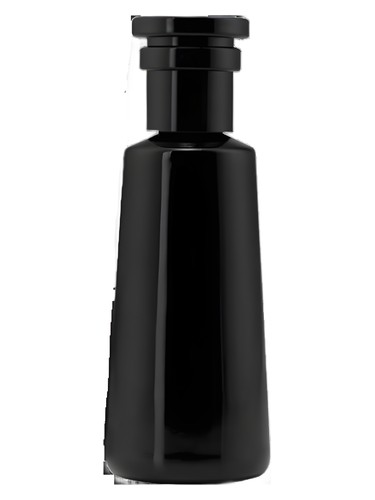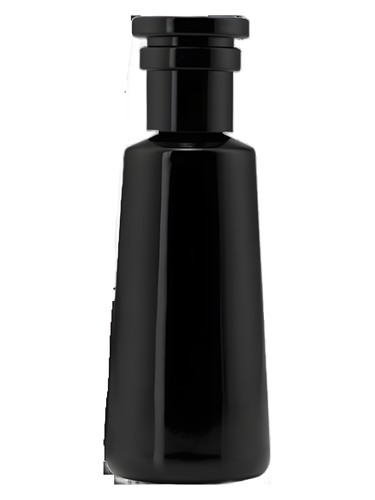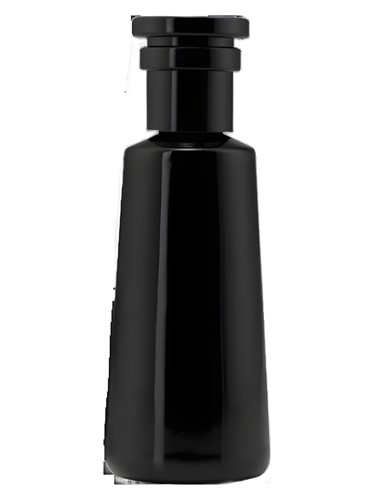
Jester
Fragrance notes
Character
Jester opens with a gap between its promise and its delivery. The citrus trio of petitgrain, blood orange, and bergamot sounds bright on paper, yet the execution feels thin, as if the sun is hidden behind a layer of cloud. That lightness is not a failure but the first clue to its purpose. This is not a fragrance built for drama or for commanding a room. It is a companion for movement and for ease, meant to sit close while the day unfolds.
The argument for Jester rests on its ability to capture a specific kind of leisure. The heart of freesia, ylang-ylang, and orange blossom creates a floral sweep that is airy rather than dense. When the ginger and sandalwood rise from the base, they provide a gentle warmth that keeps the scent grounded without weighing it down. Picture a long walk through a city park when the air is warm and the light is clear, the kind of morning where a heavy perfume would feel like an imposition. Jester fits that moment because it respects the space around the wearer.
The composition suits someone who views fragrance as a subtle accessory rather than a statement. It favors the person who chooses linen over wool and open windows over closed doors. Those who search for a dark, resinous trail or a scent that projects authority will find Jester too fleeting in character. It thrives in the hands of the wearer who wants to smell clean and composed while the world moves quickly around them, a bright murmur of citrus and wood that stays near the skin as the afternoon
Smells similar
Built from the same materials — ranked by how unusual the shared notes are, not by how many.