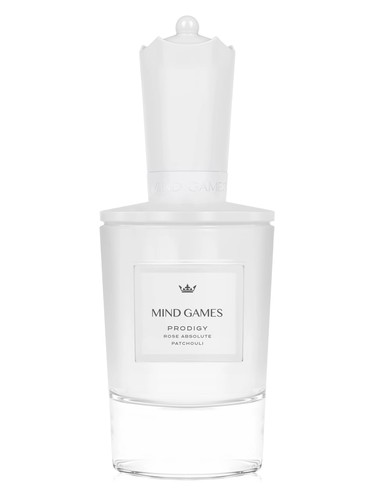
Prodigy
Fragrance notes
Character
Prodigy opens with a bright slap of bergamot and cardamom, the citrus sharp enough to cut through the morning haze, while a rose that smells more like crushed petals than syrup floats just beneath. The heart introduces Longoza, a ginger-tinged botanical that keeps the patchouli from turning muddy, and together they hum with a clean, aromatic warmth. As it dries down, the vanilla and blonde woods arrive like a polished antique desk: smooth, powdery, and faintly balsamic, with sandalwood lending a creamy spine that lasts through the workday but never shouts.
This is a fragrance that wears like a velvet-wrapped chess piece, cool and deliberate in the hand, but also strangely intimate once you get past the surface. It feels neither wholly natural nor aggressively synthetic, but rather like something distilled in a lab by someone with a nostalgic streak. The longevity is respectable at just under four hours, and the sillage hovers close to the skin, which will disappoint those who want to announce their arrival from across the room. It performs best in fall and winter, when the powdery vanilla can bloom without turning cloying, and it works beautifully for daytime meetings or a quiet evening dinner, though it lacks the punch for a loud night out.
Who should wear it? Someone who prefers understated polish over volume: a writer with a deadline, a curator in a quiet gallery, a person who understands that presence can be felt without being declared. Skip it if you crave projection or if summer heat makes you reach for aquatics, because this one will suffocate in humidity. But if you want a rose that doesn’t scream romance and a woody base that whispers instead of roars, Prodigy earns its score.
Smells similar
Built from the same materials — ranked by how unusual the shared notes are, not by how many.