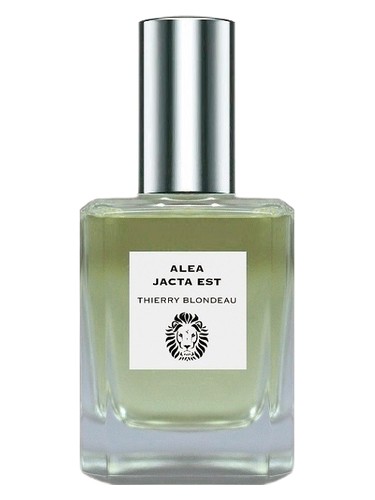
Alea Jacta Est
Fragrance notes
Character
A heavy velvet curtain parts to reveal a dimly lit lounge where the air is thick with warmth. The room carries a fizzy, sparkling lift from aldehydes that catch the low light, mixing immediately with the creamy, golden softness of ylang-ylang. This bright opening does not stay light for long. It quickly gives way to a heart of lush tuberose that feels dense and waxy, standing tall beside the dry, straight grain of cedar wood. The flower here is not shy. It dominates the space with a heavy white presence that feels almost alive.
As the evening settles in, the atmosphere grows darker. The base notes rise to meet the floral heart, introducing a slab of dark chocolate that smells rich and slightly bitter. This sweetness is grounded by the earthy, damp quality of patchouli and the smoky resin of guaiac wood. There is an animalic thread running through the composition, giving the entire scene a slightly untamed, primal edge. It is a scent that feels heavy on the skin, wrapping around the wearer like a thick wool coat.
The overall impression is one of deliberate opulence. It feels sophisticated and deeply introspective, moving far away from fresh or airy daytime scents. The combination of white florals and dark gourmand elements creates a contrast that is bold rather than comforting. It is a statement piece that demands attention within the quiet of a cold night.
Those who enjoy a fragrance that feels both floral and deeply woody will find a home here. It is best worn when the air is crisp and the night is young, perfect for someone attending a formal event in the depths of winter.
Smells similar
Built from the same materials — ranked by how unusual the shared notes are, not by how many.