Esprit d’Oscar
Fragrance notes
Character
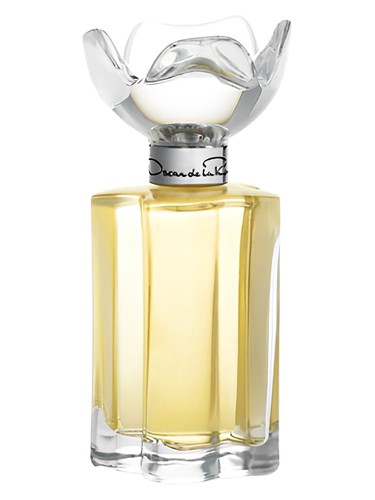
Esprit d’Oscar opens with a brisk spritz of Amalfi lemon and bergamot, bright enough to cut through a spring morning but softened by a whisper of citron’s floral sweetness. Within minutes, the citrus recedes and the heart unfurls like a vintage powder compact snapped open in a sunlit dressing room. Iris and violet take center stage, dusty and elegant, while tuberose and jasmine add a creamy, almost buttery warmth. The African orange flower lends a honeyed shimmer. That powdery, violet-forward accord is the fragrance’s true signature: it feels like burying your nose in an old silk sachet tucked inside a grandmother’s glove drawer. The base brings heliotrope’s almondy vanilla, clean musk, and a faintly salty ambergris, with vetiver providing a quiet anchor. The overall character is soft, ladylike, and deliberately restrained.
Given the longevity and sillage ratings hovering just above average, this is not a scent that announces itself from across the room. It sits close to the skin, blooming intermittently with body heat. It feels more natural than synthetic, though the powdery accord can read a little dated to noses accustomed to brash ambroxan bombs. It suits someone who prefers refined, slightly nostalgic florals with a touch of vanilla sweetness. Skip it if you crave projection, heavy spices, or a modern gourmand punch. Wear it to brunch on a crisp spring day, to a daytime wedding, or whenever you want to smell polished without shouting. Could it work for an evening out? Yes, but it thrives in the light, where the violet and iris can properly dust themselves off.
Smells similar
Built from the same materials — ranked by how unusual the shared notes are, not by how many.