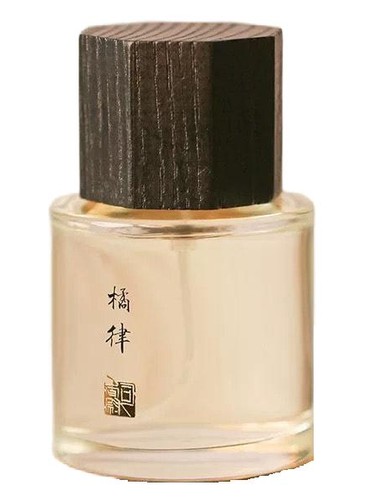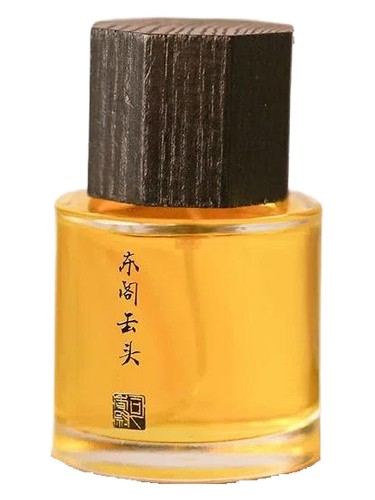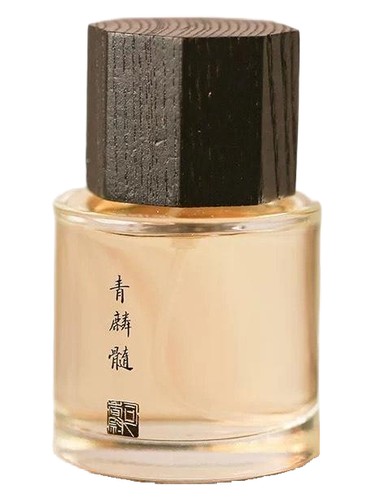
Qin Lin Sui 青麟髓
Fragrance notes
Qin Lin Sui 青麟髓 answers the question of what happens when a perfume stops trying to be pleasant and starts trying to be present. You do not reach for this if you want to be liked. You reach for it when you want to be felt in a room without saying a word. The opening is sharp and dry, cardamom and elemi cutting through the air like a blade before the scent even settles. Saffron lands next, not the cozy kitchen kind but a metallic, slightly bitter thread that pulls the whole top into focus. Then the ink note arrives, and it is not a gimmick. It smells like a brush pressed against paper, mineral and cold, with a dryness that refuses to soften.
That sharpness carries straight into the heart, where peppermint and incense collide. The mint is not fresh in a mouthwash way. It is cooling and severe, sitting beside a rose that is more petal dust than flower. Labdanum adds a resinous weight that keeps the mid not fresh but heavy, like walking into a room that has not been opened in years. The ink note returns here, tying the heart back to the opening so the fragrance never fully moves. It feels composed rather than blended, each note holding its position instead of melting into the next.
By the time the base sets in, the woods take over with sandalwood and guaiac wood leading a dry, almost hollow kind of warmth. Cedar adds a clean edge, while amber and musk sit low and quiet, never sweet. The oud here is not loud or barnyard. It is dry and structural, holding the woods together without dominating them. This is not a fragrance that wraps around you. It stands slightly apart, like a person who does not move when you enter the room.
Smells similar
Built from the same materials — ranked by how unusual the shared notes are, not by how many.