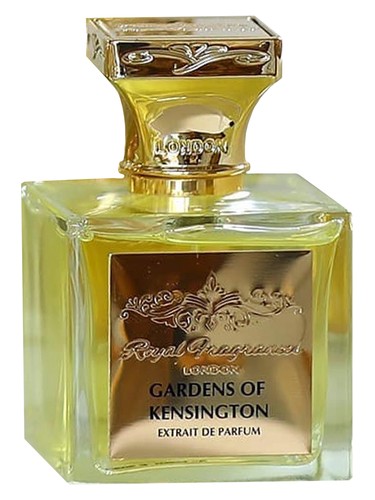
Gardens of Kensington
Fragrance notes
Character
Outside a Georgian townhouse in Kensington, the mid-morning sun warms the pale stone, and the air is crisp with the scent of polished citrus. A basket of mandarins sits on a wrought-iron table beside a plate of lemon tart, their bright, acidic oils mingling with the sharp, clean zest of a fresh peel. This is the immediate, vivid impression of Gardens of Kensington. It opens with a burst of radiant mandarin orange and lemon, a sparkling introduction that feels like walking through a sun-drenched garden gate. The atmosphere is immediately lifted, the sharpness of the citrus providing a clean, energetic start that catches the light.
As the morning progresses, the scent settles into a more textured heart. The bright citrus does not fade into the background; instead, it welcomes a distinctive, juicy cherry. This is not a candy-like sweetness, but the tart, dark fruitiness of a black cherry, smoothed by the inclusion of bergamot. The effect is a heart that feels both classic and slightly unexpected. The fruitiness is tempered by a subtle, powdery elegance, moving the fragrance away from a simple citrus splash into something more refined. It captures the feeling of sitting in a manicured garden, where the air is filled with the scent of blossoms and ripe fruit hanging heavy on the branches.
The drydown brings a soft, embracing warmth. The initial sparkle gives way to a base of musk, vanilla, and amber, creating a gentle, musky trail. The vanilla here is not overpowering; it is a soft, powdery vanilla that blends seamlessly with the clean skin-scent of musk and the golden glow of amber. The cherry from the heart lingers, now wrapped in a sweet, musky warmth that feels intimate and comforting. It is a fragrance that mirrors the garden itself: bright and open at first glance, but revealing a deep, layered warmth as you spend time within it. The final impression is a beautiful, powdery vanilla.
Smells similar
Built from the same materials — ranked by how unusual the shared notes are, not by how many.