Eau de Parfum
Fragrance notes
Character
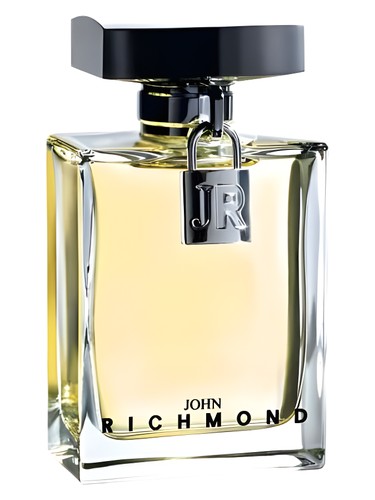
John Richmond Eau de Parfum opens with a bright, slightly tart punch of grapefruit and blackberry, the pear lending a soft, watery sweetness that keeps it from turning sour. The fruit lingers just long enough to usher in a bouquet of lily, narcissus, and magnolia that is distinctly floral but never heavy or indolic. The white flowers here feel polished and fairly mainstream, almost like a crisp, commercial take on a spring garden. They carry a faint green edge from the narcissus, which saves the composition from becoming a generic fruity floral.
Where the fragrance shows its hand is in the dry down. Patchouli and sandalwood emerge softly, warmed by amber, but they lack the density to anchor the earlier notes. The base is pleasant but thin, and at a longevity rating of 3.27 and sillage barely reaching 3, this perfume behaves like a shy guest who leaves before dessert. The overall character evokes a picnic blanket in a meadow at midday: cheerful, fleeting, and thoroughly pleasant but never demanding attention. It wears like a fresh, lightly sweet skin scent after the first hour, more natural than synthetic yet still squarely in the designer realm.
This is a fragrance for spring afternoons and early fall mornings, best worn on a casual day when you want to smell clean and polished without announcing your presence. It suits someone who prefers subtlety over projection and who doesn't mind reapplying. If you crave depth, lasting power, or a statement-making sillage, skip it. But for a quiet, pretty floral with a fruity wink, it does exactly what it sets out to do, no more, no less.
Smells similar
Built from the same materials — ranked by how unusual the shared notes are, not by how many.