Bois de Paradis
Fragrance notes
Character
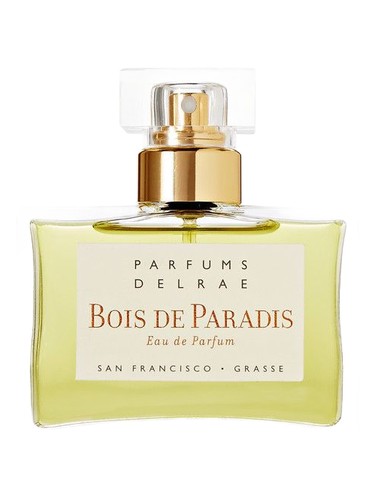
The first spritz of Bois de Paradis is a citrus flirtation, bright and almost innocent, but that vanishes within minutes. What emerges is the real character: a blackberry so ripe it’s about to split, tangled with a dewy French rose and a fig that adds a milky, green sweetness. Michel Roudnitska’s creation from 2002 is a masterclass in balancing fruit with shadow, because as soon as the berry and rose settle, spices flicker underneath like a match struck in a dark room. The dry down is where this fragrance earns its name. Woodsy notes, resins, and incense wrap around a warm amber base, turning the earlier sweetness into something almost sacred. It feels like a stained glass window in a forgotten chapel, the light filtering through ruby and gold, the air thick with dust and old honey.
This is a distinctly niche composition, natural in its complexity but not afraid to lean into a resinous, smoky weight. It’s sweet but never syrupy, the balsamic undertones keeping it grounded. The longevity is decent, though you might find yourself pressing your wrist to your nose after a few hours, and the sillage is polite rather than commanding. That’s its only real weakness, it whispers when you might want it to speak.
It suits someone who craves a romantic, gothic warmth, a person who wants to smell like a night market near a monastery in early autumn. Skip it if you prefer sharp citruses or laundry musks. Wear it in fall or winter, preferably for evening dinners or quiet walks when the air has a chill. Spring? Only if the day is cool and overcast, because this scent needs a little shadow to bloom.
Smells similar
Built from the same materials — ranked by how unusual the shared notes are, not by how many.