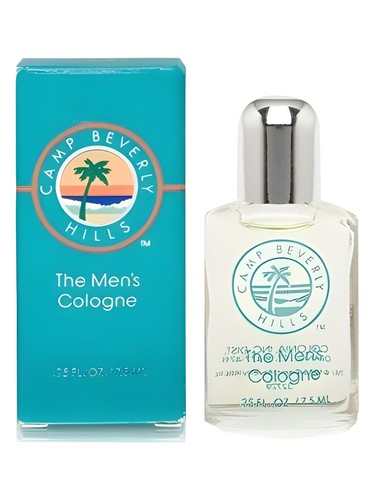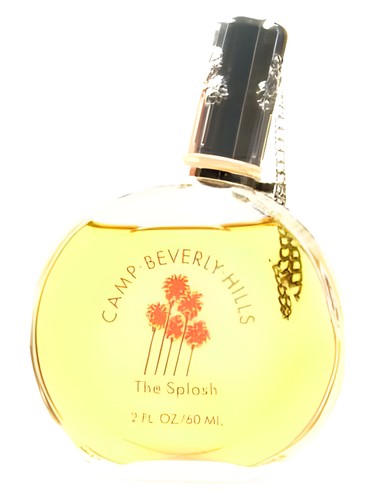
Camp Beverly Hills
Fragrance notes
Character
Sunlight warms the terracotta tiles of a poolside cabana while a glass of iced tea beads with condensation on the table. Someone steps into the bright air wearing Camp Beverly Hills, and the immediate impression is a crisp burst of bergamot tangled with the creamy, slightly exotic sweep of ylang-ylang. African orange flower adds a clean, petal-heavy brightness that feels lifted by the heat, never heavy or cloying. The citrus gives way gradually to a heart of tuberose and rose, but the lily-of-the-valley keeps the bouquet airy, like a fresh boutonniere pinned to a linen shift. It smells expensive in a casual way, the kind of floral that does not demand attention yet refuses to be ignored.
The sandalwood and amber in the base begin to show themselves as the morning stretches on, lending a smooth, powdery softness that wraps around the skin. Musk adds a faintly animalic warmth that keeps the sweetness from feeling like candy, grounding the white petals in something earthier. This is a scent that stays present through a long, unhurried morning without ever projecting beyond the person wearing it. You catch it when you lean close or when the breeze shifts, a private layer that lingers on the collar and in the hair. It feels composed by Givaudan to be both nostalgic and effortless, a floral that knows how to hold its place in the heat.
There is a golden quality to the way the tuberose sits against the wood, a balance that makes the fragrance feel like part of the landscape rather than an addition to it. The powdery accord deepens as the air warms, mixing with the amber to create a soft glow that follows the wearer from a morning walk to a late lunch under an umbrella. It is a fragrance that lives inside the daylight, moving with the body and changing only when the heat asks something new of it, the petals and the wood trading places in a slow, seamless conversation that never quite finishes
Smells similar
Built from the same materials — ranked by how unusual the shared notes are, not by how many.