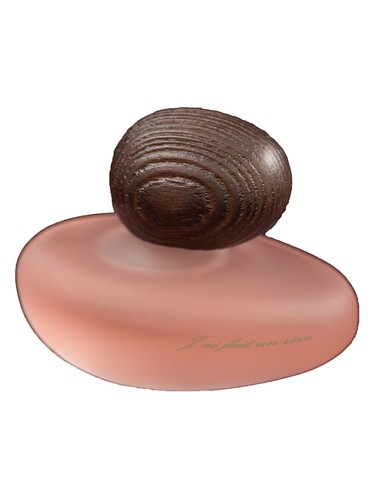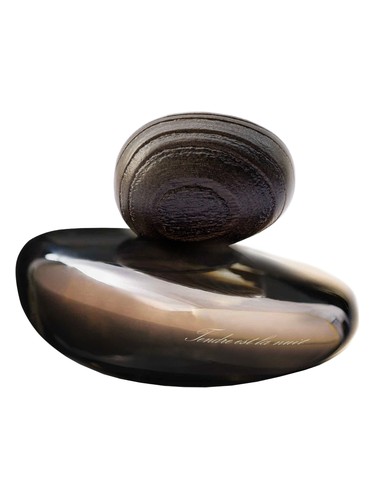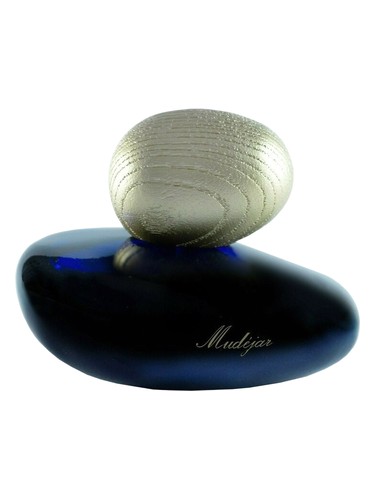
Mudejar Obscur
Fragrance notes
Character
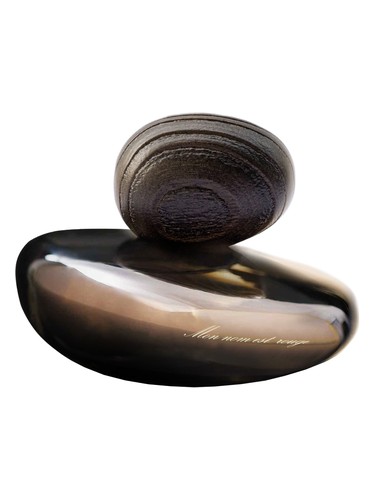
Mudejar Obscur opens with a sharp, almost rebellious burst of black currant and pink pepper. The fruit is tart and jammy, the pepper prickly and electric. That initial spark fades quickly into a surprisingly tender heart. Olibanum provides a smoky, resinous backbone, but it’s the rose that steals the show, not a dewy fresh bloom but a dried, almost leathery petal preserved in amber. As it settles, the base becomes a dense, cozy layer of patchouli and cedar, with cashmeran and ambroxan adding a soft, synthetic fuzziness that feels like sinking into a well-worn armchair. The overall character is a single vivid image: a wool coat left hanging in a candlelit chapel, incense and dried rose petals caught in its fibers.
This is a juxtaposition of textures. The opening feels brisk and modern, but the drydown is warm, woody, and slightly sweet, leaning decidedly into an amber-patchouli blanket. It is undeniably niche in its refusal to be purely floral or purely gourmand, yet the cashmeran and ambroxan give it a smooth, almost mainstream smoothness that sacrifices some complexity. The rating of 3.64 feels earned. Longevity is strong, clinging to the skin for hours, but sillage sits politely close, a hug rather than a shout.
Who should wear this? Someone who wants a fragrance that bridges incense churchiness with cozy modernity, perfect for a fall evening dinner or a chilly winter walk. Skip it if you dislike sweet, synthetic ambers or prefer your rose bright and uncut. Is there a more daring rose-oud alternative out there? Plenty. But this one knows exactly where it belongs, and stays put.
Smells similar
Built from the same materials — ranked by how unusual the shared notes are, not by how many.