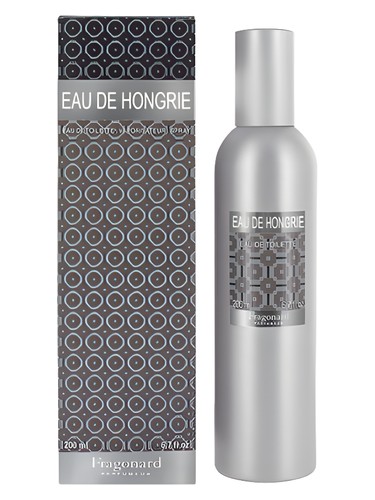
Eau de Hongrie
Fragrance notes
Character
Eau de Hongrie opens with a curious blast of melon and bergamot that feels almost candied, a bright, sticky-sweet top that seems to belong to a different decade entirely. The lavender tries to pull it toward aromatic composure, but the fruit lingers, and then the heart arrives with jasmine and lily-of-the-valley, turning the whole thing into a floral field drenched in honey. The galbanum cuts through with a bitter green snap, saving it from being purely saccharine. On the drydown, amber and labdanum warm things up, cedar adding a dry, woody spine. The overall character is like a faded tapestry hung in a sunlit provincial attic: floral threads, sticky resin, and dust. It feels natural in its ingredients but synthetic in its execution, a mainstream oriental that has aged oddly. The longevity and sillage are both weak, barely two hours before it becomes a skin scent, which is its biggest failing. This is for the nostalgic sentimentalist who values a fragrance as a historical curiosity rather than a performance piece. Skip it if you need projection or a modern profile. Wear it on a cool spring afternoon, close to the skin, or in summer evenings when you want a whisper of something floral and amber, but don’t expect anyone to notice.
Smells similar
Built from the same materials — ranked by how unusual the shared notes are, not by how many.