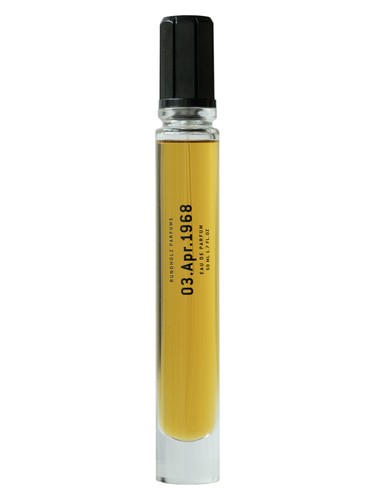
03. Apr. 1968
Fragrance notes
Character
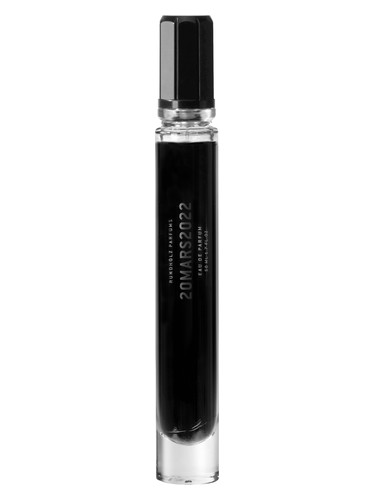
Litchi hits first, a translucent pink burst that feels more like a memory of fruit than the thing itself, watery and almost candied. Heliotrope swells in the heart, pushing forward with its signature blend of almond powder and vanilla cream, smoothing the litchi’s sharp edges into something plush. Incense waits in the base, but it’s not the smoky, cathedral kind, it’s a gauzy, pale incense that hangs like laundry drying in a temple courtyard, soft and slightly aquatic. The whole thing feels like a silk slip that’s been casually draped over a chair, the fabric carrying traces of yesterday’s peach lip balm and morning ritual.
Rundholz’s 03. Apr. 1968 is sweet but not syrupy, powdery but not dusty, with a synthetic sheen that keeps it from ever feeling natural or earthy. It sits comfortably between niche and designer, polished enough for a department store counter but strange enough for an afternoon spent browsing vinyl. Its longevity is excellent, over eight hours, but sillage is modest after the first hour, clinging close like a secret. That restraint is both its strength and its weakness, it never demands attention, so the incense barely whispers in the drydown, leaving the helm firmly with heliotrope.
This is a spring and fall fragrance first, leaning cool weather because of that almond-heliotrope density, and it works equally well at the office and on a quiet night out. Avoid it if you crave smoke or bite, the incense here is a ghost, not a fire. Who is this for? The person who wants to smell expensive without screaming about it, who loves the curve of a single note stretched across hours.
Smells similar
Built from the same materials — ranked by how unusual the shared notes are, not by how many.