Metallic Acqua
Fragrance notes
Character
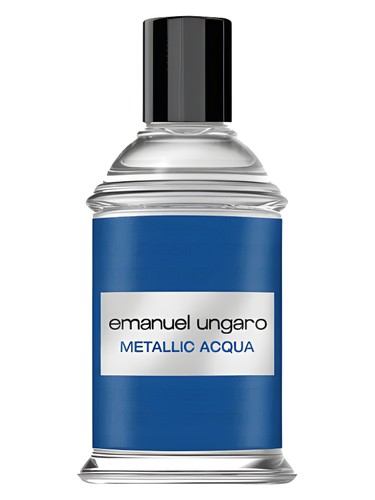
Metallic Acqua is a fragrance built for the man who wants to smell composed on a crisp morning walk through the city. It opens with a bright, slightly oily burst of bergamot that immediately meets the herbal edge of sage. Ambrette adds a soft, musky warmth that prevents the start from feeling sharp. This combination creates an impression of clean skin warmed by a scarf, rather than a loud chemical spray. The initial impression is one of neat grooming and quiet confidence.
The heart reveals a lavender that is resinous rather than soapy, thanks to the heavy hand of labdanum. Sichuan pepper provides a tingling, fresh spicy lift that cuts through the heavier resins. This stage feels like a tailored wool coat: structured, dark, and textured. The lavender here does not scream for attention, but it anchors the fragrance with a classic masculine signature that feels grounded and serious.
As it settles, the base takes over with amberwood and cedar providing a dry, woody foundation. Patchouli adds an earthy depth that keeps the composition from leaning too heavily into sweetness. The overall character is aromatic and amber-forward, creating a cocoon of warmth around the wearer. It is a scent that fits the rhythm of a busy day spent moving through cool air and heated interiors.
The limitation here is the specific nature of that labdanum. It creates a heavy, sticky resinous quality that can feel slightly synthetic to those who prefer sheer, transparent compositions. If you enjoy airy citrus waters, this dense woody amber will feel too cloying and opaque for your taste.
Smells similar
Built from the same materials — ranked by how unusual the shared notes are, not by how many.