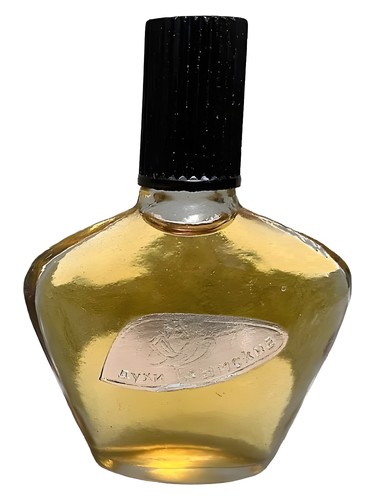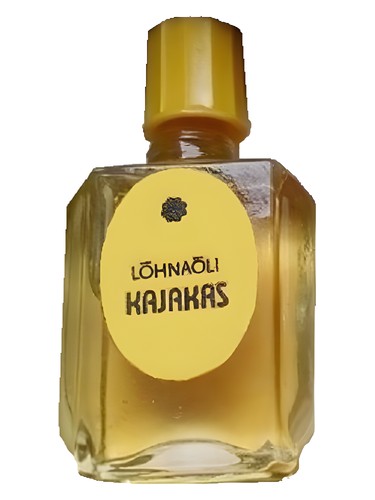
Kajakas (Чайка)
Fragrance notes
Character
Aldehydes sparkle across daphne and orange blossom, while jasmine and rose add a classic floral lift. The mix feels bright and slightly soapy, with a fresh edge that keeps the flowers from turning heavy. Peru balsam and sandalwood sit close to the skin, giving a warm, resinous softness that blends into oakmoss and musk. The overall impression is powdery and woody, with a balsamic richness that deepens the floral core without overwhelming it.
The drydown is where the fragrance truly settles into its character. Sandalwood and peru balsam create a smooth, amber-like warmth that feels comforting and slightly old-fashioned. Oakmoss adds a mossy, earthy depth, while musk wraps everything in a soft, powdery blanket. The aldehydic sparkle fades into the background, letting the woody and balsamic notes take the lead. It becomes a skin scent that feels intimate and refined, with the floral traces of jasmine and rose lingering gently beneath the resinous surface.
There is a quiet elegance here that speaks to traditional perfumery. The composition feels cohesive and balanced, never leaning too far into sweetness or sharpness. It carries a warm spicy accord that complements the mossy woods, creating a scent that feels mature and composed. The powdery finish gives it a vintage charm, reminiscent of classic wardrobes and silk scarves. It is a fragrance that prefers subtlety over statement, offering a refined presence that stays close.
Wear this on cool evenings when a soft, woody floral feels appropriate. It suits a woman who appreciates vintage character and prefers a powdery, balsamic finish over modern sweetness.
Smells similar
Built from the same materials — ranked by how unusual the shared notes are, not by how many.