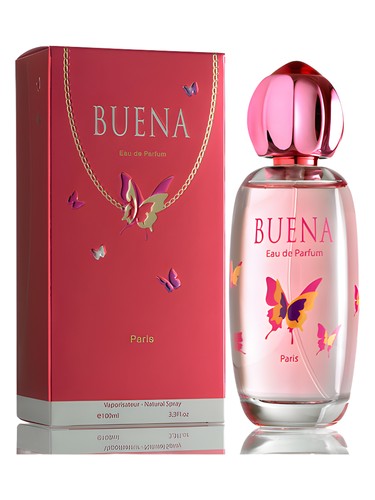
Buena
Fragrance notes
Character
Buena is a fragrance for the woman who prefers a garden that has been left a little wild. The opening cranberry and blackberry are tart and loud, immediately pushing past any idea of a polite introduction. This is not a candy-sweet fruit, but a sharp burst that demands attention before the florals even have a chance to speak. The Damask rose and violet in the heart try to soften that initial bite, yet the violet carries a powdery weight that keeps the composition feeling grounded rather than airy. It is a dense floral layer that refuses to float away, sitting heavily on the skin alongside the tartness of the berries.
The argument for this scent rests on its base, where the earthy patchouli and vetiver take over completely. These are not background players here. They arrive early and drag the entire mixture into the soil, making the fruit and flowers feel like they are growing directly out of the dirt. Sandalwood adds a creamy warmth that tries to smooth the rough edges, but the aromatic and fresh spicy accords keep the profile lean and dry rather than comforting. It is a balsamic and woody finish that feels more like a walk through a damp forest than a stroll through a manicured rose garden.
The combination of cranberry and patchouli creates a specific tension that defines the wear. It is fruity but deeply earthy, refusing to settle into a single category without a fight. The spicy facets weave through the violet and rose, ensuring the sweetness never gets the upper hand. This is a fragrance that holds onto its green, aromatic roots while the berries stain the air, leaving a trail that is as woody as it is floral, a mix of balsamic warmth and sharp, fresh spice that continues to
Smells similar
Built from the same materials — ranked by how unusual the shared notes are, not by how many.