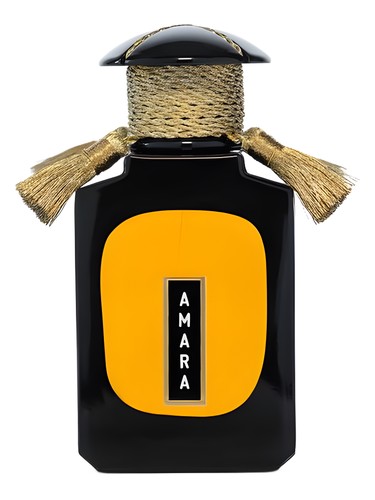
Amara
Fragrance notes
Character
Morning light fills a sunlit courtyard where terracotta tiles hold the day's warmth. A glass of fresh juice sits on a wooden table beside a shallow bowl of orange slices. The air carries Tunisian orange blossom and sweet orange, their bright citrus softened by neroli and petitgrain. Marigold adds a gentle golden edge to the scene, while Indian jasmine brings a creamy white floral touch that feels natural rather than heavy. Oakmoss and sandalwood ground the blend with a quiet woody presence, and copaiba balm lends a smooth balsamic warmth that ties the brighter notes together.
This is a fragrance that feels at home in open air and casual moments. It suits someone who enjoys a scent that is sweet without becoming sugary, aromatic without leaning sharp, and green without smelling like cut grass. The composition stays close to the skin in character, offering a fresh spicy lift that complements a relaxed outfit and a slow morning. Those who prefer dark, resinous orientals or cool aquatic blends may find this too gentle and sunlit for their taste. It speaks to a mood rather than a statement, fitting easily into a day spent outdoors.
Cultus Artem presents Amara as a citrus fragrance composed by Holly Tupper, and the result is a clear, floral wood that stays bright throughout. The balsamic and woody elements keep it from floating away, giving it a calm center that pairs well with linen and sunlight. It feels crafted rather than mass produced, with each note easy to place yet blended into a single impression. The scene settles into a quiet rhythm as a warm breeze moves through the courtyard and carries the scent across the terracotta tiles beneath a spreading lemon tree.
Smells similar
Built from the same materials — ranked by how unusual the shared notes are, not by how many.