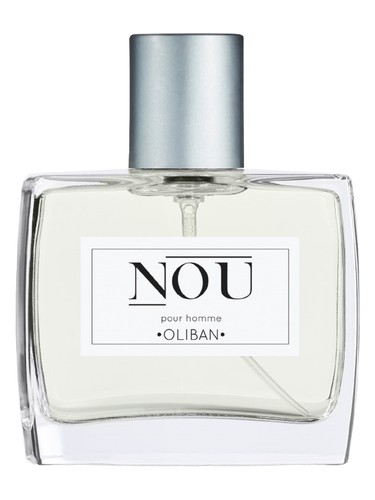
Oliban
Fragrance notes
Character
Oliban opens with a sharp, almost medicinal pop of elemi and chamomile, a surprisingly bitter and herbal prelude that suggests something ancient and liturgical. The olibanum itself arrives not as sweet church incense but as a dry, peppery resin, quickly joined by a ghost of patchouli and a faint citrus that flickers and dies. This is not a fragrance that blooms; it smolders. The base of cedar, benzoin, and leather feels like the inside of an old wooden chest that once held sacred texts, with vanilla and leather softening the edges into something more intimate and worn. But the longevity is a cruel joke, barely kissing the skin for two hours before retreating into a whisper, and the sillage is an apologetic shrug.
The overall character is that of a monastic scribe’s ink-stained fingers, briefly noticed and then forgotten. It feels natural, almost austere, a niche offering that trades spectacle for sincerity. This would suit someone who values quiet introspection over loud declarations, a person comfortable with fragrance as a private ritual rather than an announcement. Skip it if you want to be smelled across a room or demand a full workday’s performance. Wear it on a cool spring morning for a contemplative walk, or during a rainy autumn afternoon when the air already carries a hint of earth and wood. The numbers are honest: 4.40 ratings suggest a small, devoted following, and the near-perfect fall preference confirms its melancholic, resinous soul. Is that enough to justify the vanishing act? Only if you’re patient enough to keep reapplying.
Smells similar
Built from the same materials — ranked by how unusual the shared notes are, not by how many.