Due South
Fragrance notes
Character
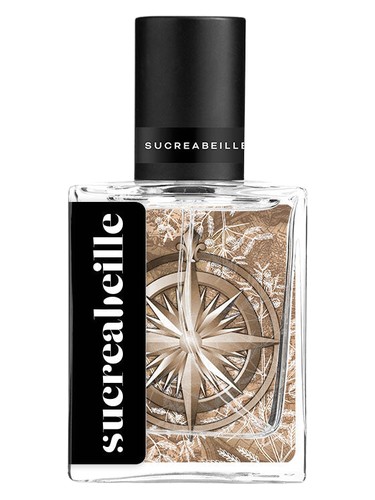
The boardwalk planks are still warm underfoot after a long day of sun, holding onto the heat even as a cooler breeze begins to move in from the water. Here, the air smells distinctly of salt and something metallic, like a handful of wet coins held in a closed fist. Sucreabeille’s Due South captures this precise intersection of elements without relying on a traditional narrative of how a scent changes over time. Instead, it presents a complete, static environment where exotic spices and jasmine do not arrive in sequence but exist simultaneously with the smell of damp sand and the sharp, coppery tang of blood. It is a strange, compelling combination that feels less like a perfume and more like a physical location.
The white floral heart of the jasmine is present, but it is stripped of its usual lush, dewy garden vibe. It feels arid here, dried out by the mineral and marine accords that surround it. The spice notes are equally unconventional. They lack the comforting warmth typically associated with spice; instead, they contribute to the aromatic, slightly medicinal quality of the fragrance. This is what happens when a bouquet is left on a hot, salty pier. The petals crisp at the edges. The scent is not sweet or inviting in a traditional sense. It is challenging and oddly metallic, evoking the sensation of a sea breeze hitting hot skin.
As the scent settles into its own skin, the drydown takes over, moving away from the bright, sharp opening and leaning heavily into the sand and mineral accords. This phase is where the fragrance truly distinguishes itself from standard aquatic or floral releases. The metallic edge remains, but it is softened by a salty, white floral haze that refuses to fade into the background. The blood note provides a vague, iron-like richness that anchors the composition, preventing the sand and aquatic notes from feeling too thin or ozonic. It is a dense, textured base that suggests standing at the railing of a boat at dusk, feeling the spray hit your face while the land behind you remains hot and dry.
The spices linger in the background, not as a dominant force, but as a subtle, aromatic heat that suggests a nearby kitchen or a pile of drying herbs. Everything in Due South feels deliberate and unapologetically niche, prioritizing atmosphere over wearability. It does not try to be pretty. It tries to be a memory of a specific, slightly uncomfortable heat. The jasmine and the salt eventually merge into a singular, mineralic floral that smells of shells and sun-bleached wood. It is a fragrance that requires the wearer to meet it halfway, offering a reward of pure, salty atmosphere in exchange for a willingness to smell unlike anyone else in the room.