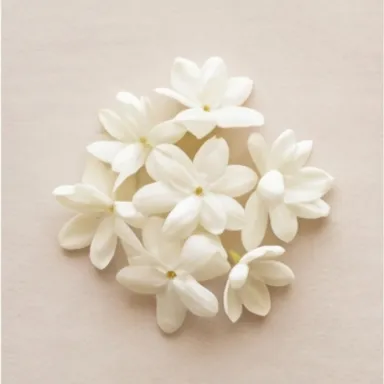
Jasmine
Sweet, creamy white flowers with a rich, slightly fruity warmth.
You may know it from Fresh jasmine tea or blooming jasmine in a garden
Where it comes from
Extracted from jasmine flowers or made with aroma chemicals.
Botanical name: Jasminum
IFRA rules
IFRA restricts Jasmine absolute (grandiflorum) to 0.6% in fine fragrance, citing dermal sensitization.
From the IFRA Standards, 51st Amendment. A perfume that lists this note may use a synthetic version the Standard does not cover.
About jasmine
Jasmine is too delicate to steam-distil, so perfumers extract it with solvent. Hexane pulls out a waxy concrete, which is washed with alcohol and chilled to drop the waxes, and what remains is the absolute. The yield is small: about 800 kg of fresh flowers give 1 kg of concrete, and that gives roughly 600 g of absolute. Scentree reports that a picker gathers only 3 to 4 kg of flowers in five hours. The IFRA rules above restrict how the material may be used.
Everything is picked by hand. Perfume Shrine says Grasse grandiflorum is gathered before dawn in August, while Delacourte says dawn, so the sun does not burn the petals; sources differ on the exact hour. Very little jasmine is still grown around Grasse, and Delacourte says what remains is reserved almost entirely for Chanel. Most of the jasmine the perfume industry uses now grows around Shubra Beloula, a village in Egypt.
The classic absolute comes from Jasminum grandiflorum, a scrambling deciduous shrub native to South Asia, Arabia and parts of Africa and China. Perfume Shrine and Delacourte describe it as green and full-bodied. A second species, J. sambac, is described as fruity, honeyed, closer to orange blossom, and sources differ on whether it holds more indole. Producers sum up the grandiflorum absolute as creamy and honeyed, with green, fruity and slightly animalic facets, and highly diffusive. Scentspiracy credits indole with the animalic edge when the material is concentrated.
Edouard Demole, a Firmenich chemist, characterised methyl jasmonate in jasmine absolute, and Hedione, its synthetic relative with a jasmine-like odour, was made between 1957 and 1962. Perfume Shrine says Hedione captures the greener, fresher side of jasmine, and that quality fragrances still add real absolute to take away harshness. Edmond Roudnitska was the first to use Hedione, in Dior's Eau Sauvage in 1966.
Accords it shows up in
How many of the fragrances listing Jasmine in our catalogue also carry each accord. We counted this ourselves.
Often paired with
The notes that appear next to Jasmine most often in our catalogue.











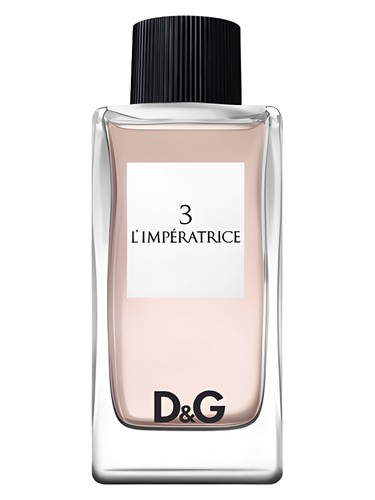
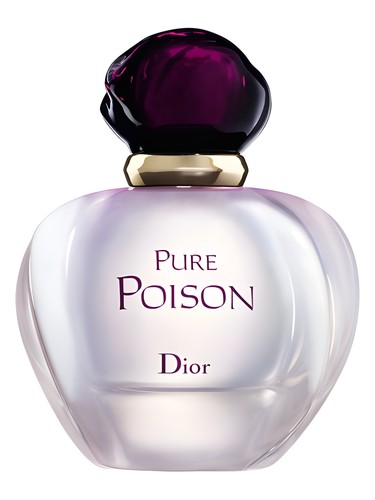
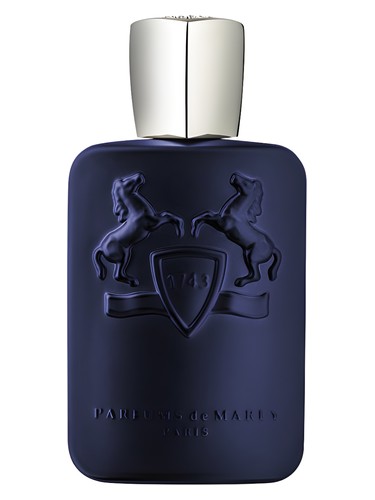
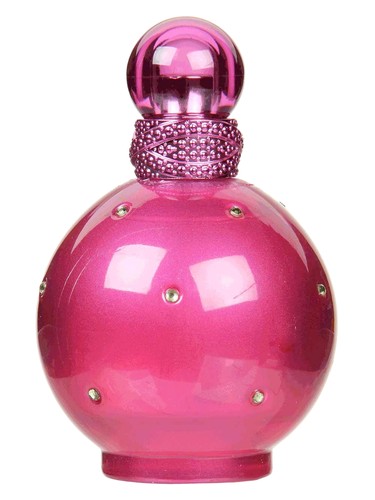
Well-known fragrances with Jasmine
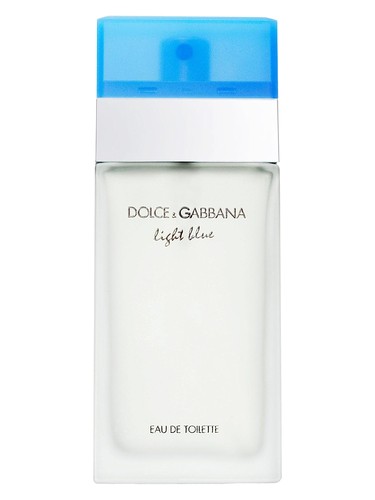
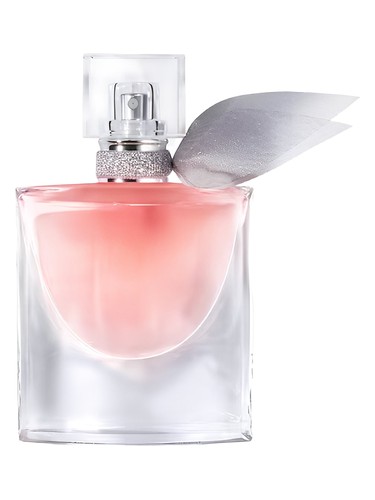
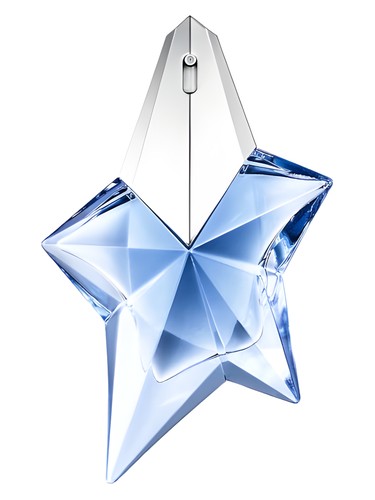
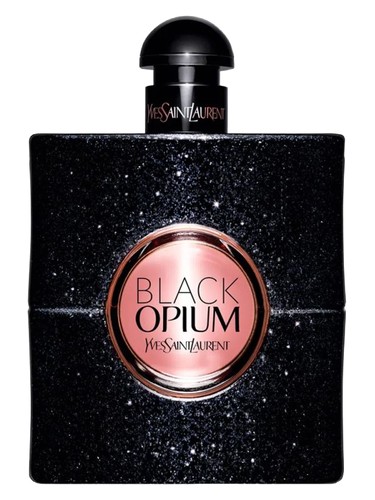
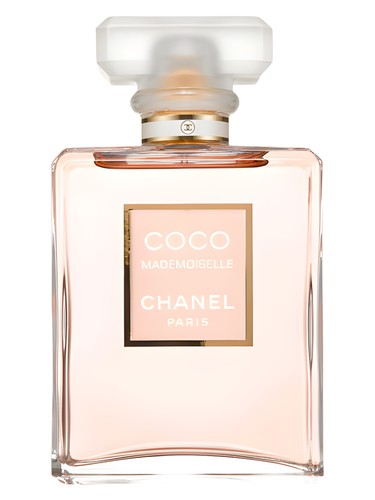
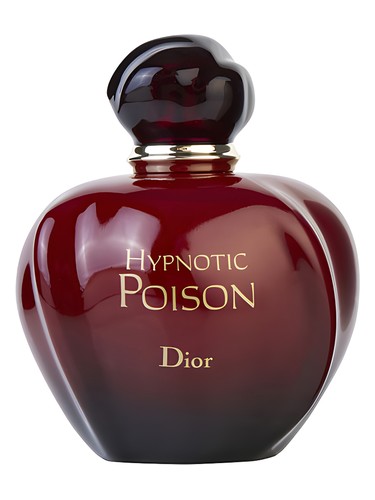
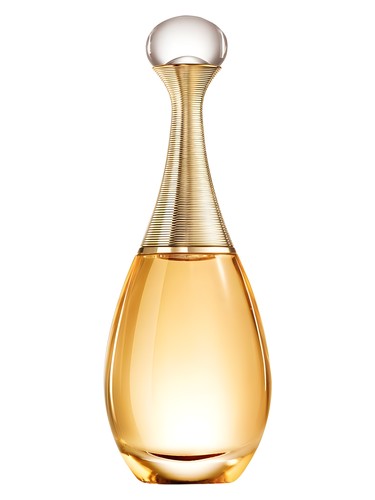
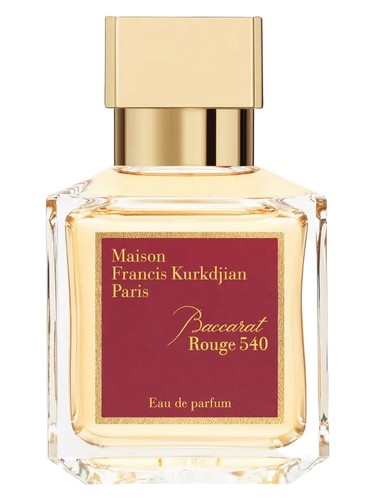
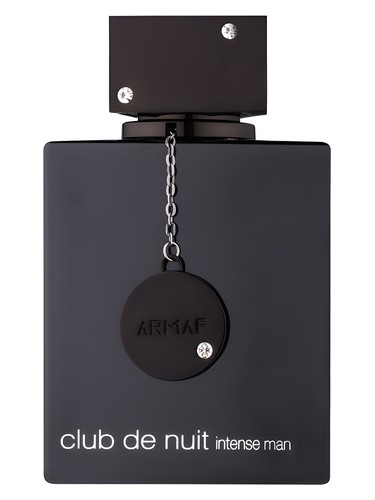
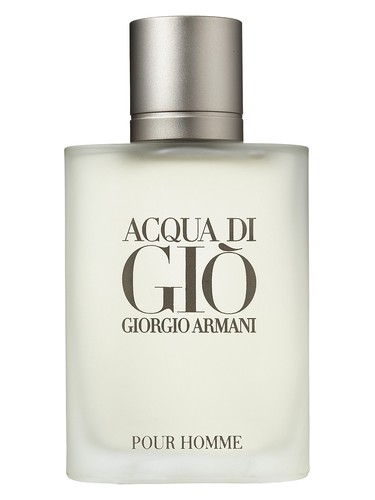
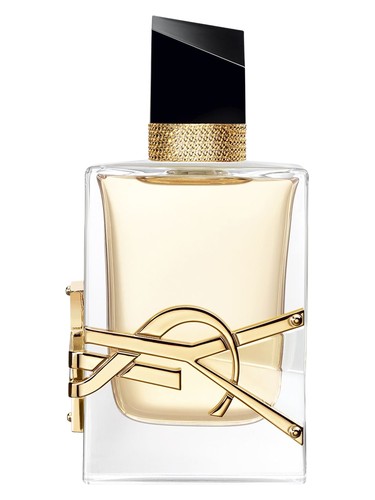
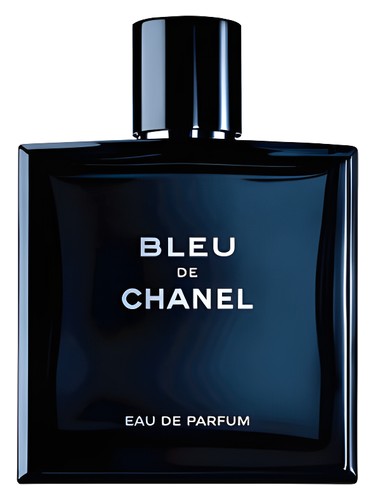
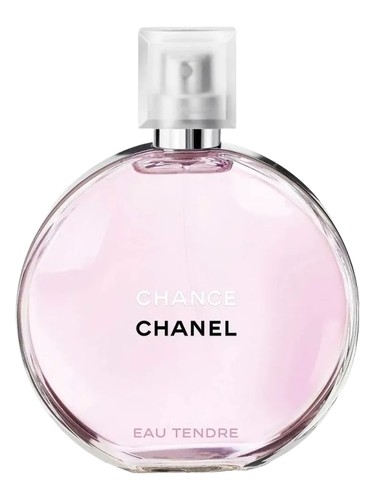
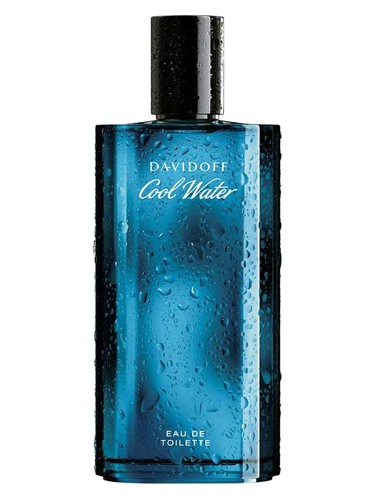
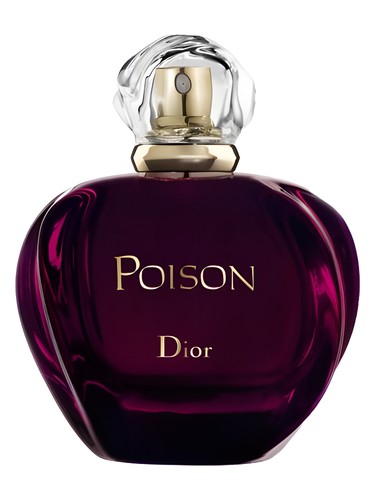
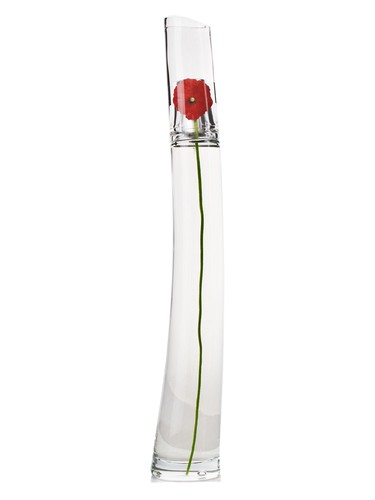
Fragrances that list it in their notes, most-rated first.
Houses that use it most
Ranked by how many of their well-known fragrances list Jasmine.