Enigma
Fragrance notes
Character
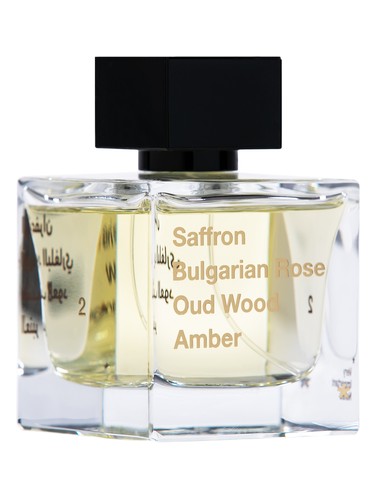
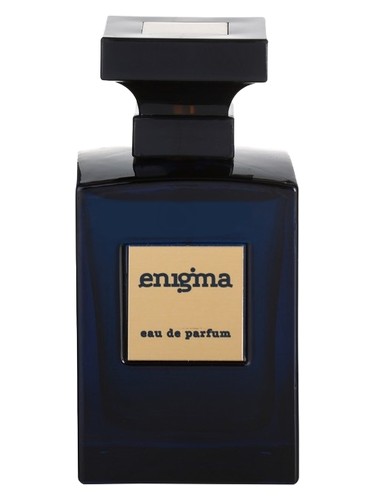
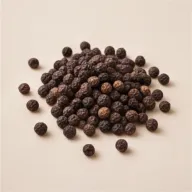
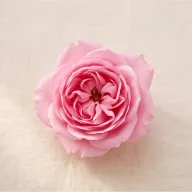
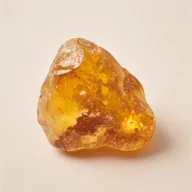
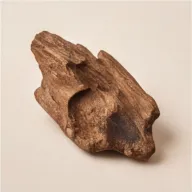
Pepper pricks the skin before the petals land. A rose opens, not red and heavy, but dry, as if the petals were pressed between the pages of an old book. It does not rush to charm. It waits. Beneath it, amber glows with a resinous heat, while oud enters like a shadow, earthy and raw. Musk lingers at the edges, blurring the lines between skin and scent. This is not a fragrance that announces itself from the doorway. It stays near, felt rather than heard, a warmth that rises slowly as the fabric of a scarf holds the day’s heat. There is an animalic pulse here, a faint breath of something untamed, yet it never growls. It simply endures.
The air turns crisp, the kind that makes wool feel necessary and breath visible. This is where Enigma belongs, in the pause between a golden afternoon and the first true frost. It mirrors that moment, the pepper’s bite matching the chill, the amber and oud answering the need for deeper comfort. It feels like standing in a library where the windows are fogged, the scent of old paper and heated wood mixing with the cold air seeping through the frame. It is sophisticated without trying to be, carrying a weight that feels earned.
It asks for patience. The person who expects a fruit-forward bouquet will be confused by the dirt and spice. It suits the wearer who appreciates a scent that changes with body chemistry, who wants to smell like a person rather than a product. It is for the quiet confident, the one who wears a scarf not for fashion but for warmth. It does not beg for compliments. It simply stays, a long-lasting haze that refuses to be rushed.
Smells similar
We matched these by the notes each one lists, giving more weight to the unusual ones they share. Sharing materials does not make one a copy of the other.