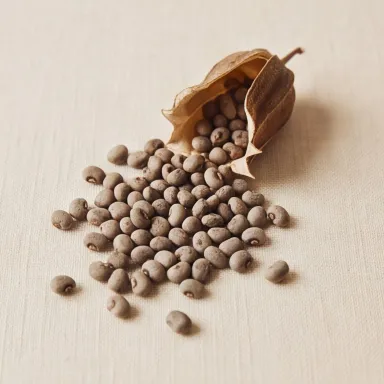
Musk
Soft, warm, clean skin with a powdery, slightly animal-like warmth.
You may know it from Freshly washed skin after using scented soap
Where it comes from
Modern perfumery musk is usually made from synthetic aroma materials.
Worth knowing
It rarely comes from musk deer today; animal musk is largely avoided.
About musk
In perfumery, "musk" names a group of materials that share an odour rather than a single substance. They are base-note materials, and they can come from an animal gland, from plants or from a lab, with quite different chemical structures behind the same smell.
The original source is the male musk deer, which carries a secretion in a sac under the abdominal skin. Getting it traditionally meant trapping and killing the animal. The deer range from Tibet and Nepal to Siberia, Mongolia and Korea, and the best historical grade, Tonkin musk, came from Tibet and China. Trade in natural musk is controlled under CITES, with protection dating to 1979 according to Bois de Jasmin, and the sources say poaching continues. China has farmed musk deer since the early 1950s to obtain musk without hunting wild animals.
The key odour molecule of deer musk is muscone, a ketone built on a 15-membered ring. Leopold Ruzicka worked out its structure and synthesised it in 1926, yet macrocyclic musks stayed too hard and too costly to make for decades and became common only in the late 1990s. The first synthetic musk dates from 1888, when Albert Baur, working on explosives, nitrated a product of toluene and isobutyl bromide and ended up with a nitro musk.
Other families followed. Polycyclic musks such as Galaxolide arrived in the 1960s as substitutes for the nitro ones, and one source puts Galaxolide at 20% of White Linen in 1978. Helvetolide, launched by Firmenich in 1991, is called the first alicyclic musk made at commercial scale. Musk xylene is classed under EU REACH as a substance of very high concern, and since no company applied for authorisation it is effectively banned there. The worry was persistence and build-up in the environment. Sources differ on whether musk ketone is banned as well.
Bois de Jasmin adds that anosmia to musks is extremely widespread, even among perfumers, which is why they blend several musk types so that more people notice the effect. "White musk" is a synthetic category, soft and cottony, closer to dry linen than to fur.
Accords it shows up in
How many of the fragrances listing Musk in our catalogue also carry each accord. We counted this ourselves.
Often paired with
The notes that appear next to Musk most often in our catalogue.











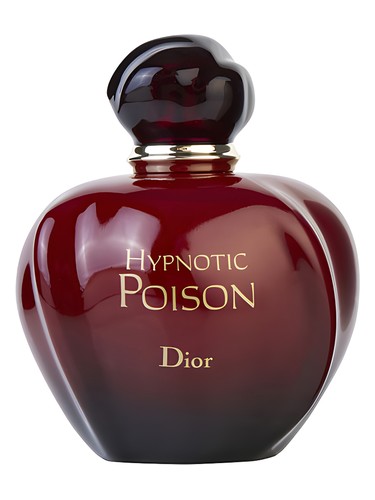
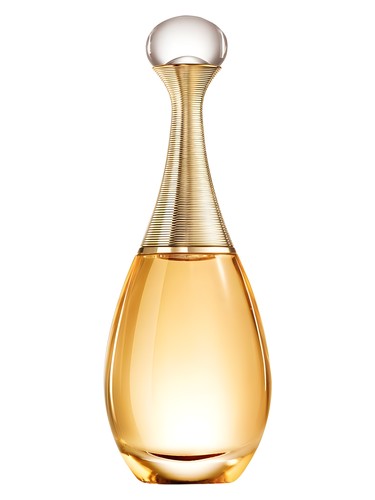
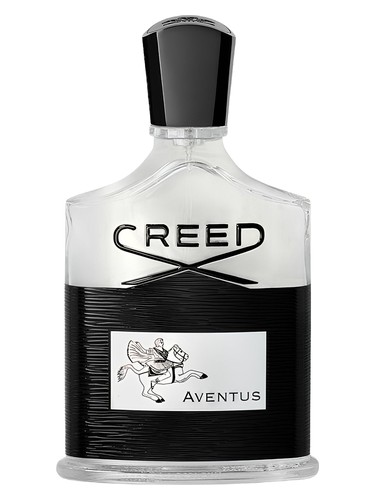
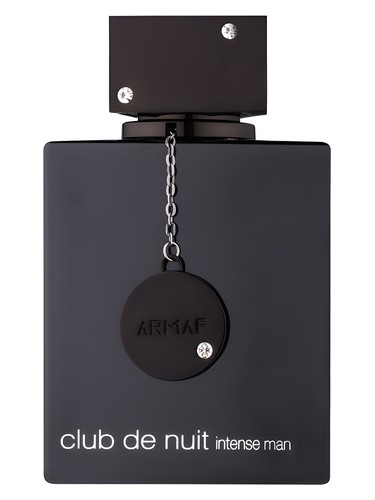
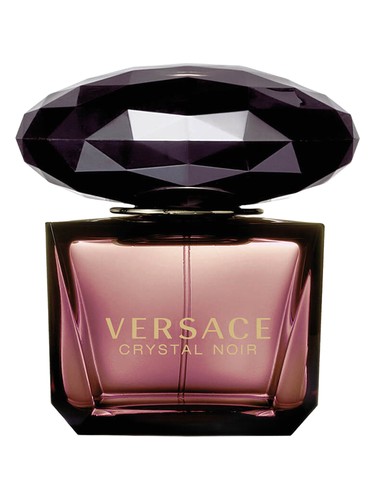
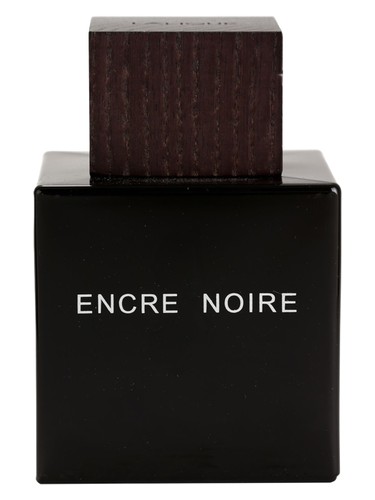
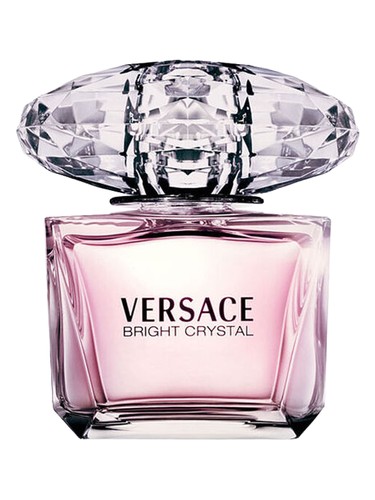
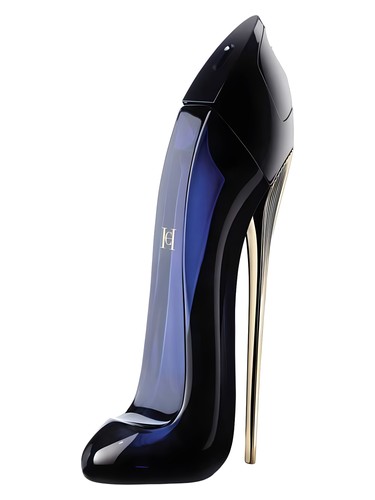
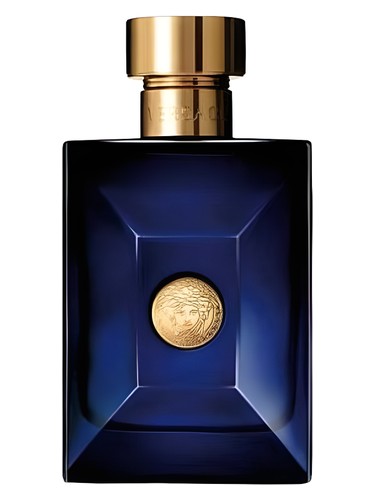
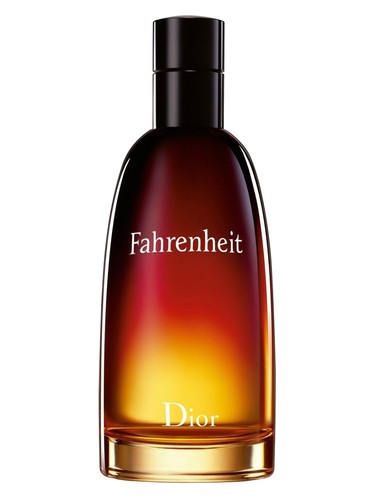
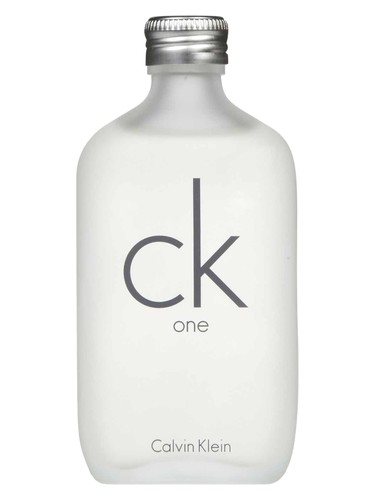
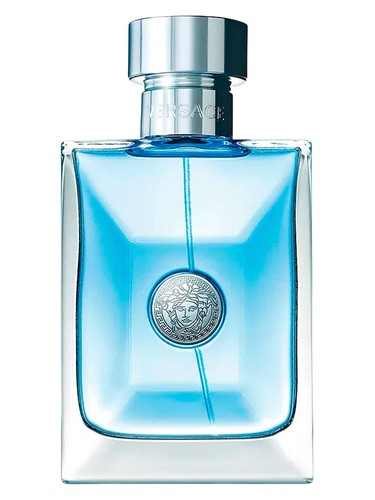
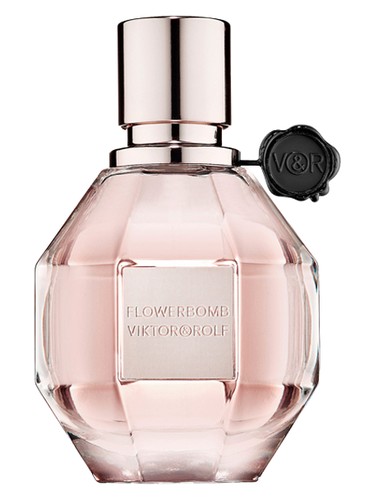
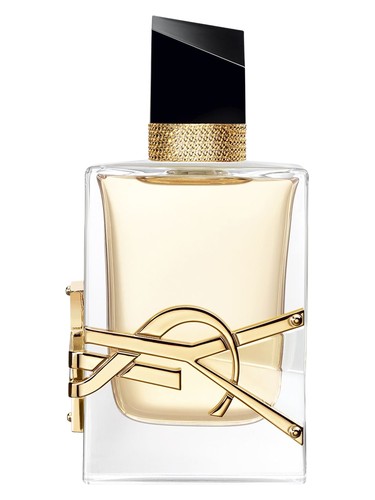
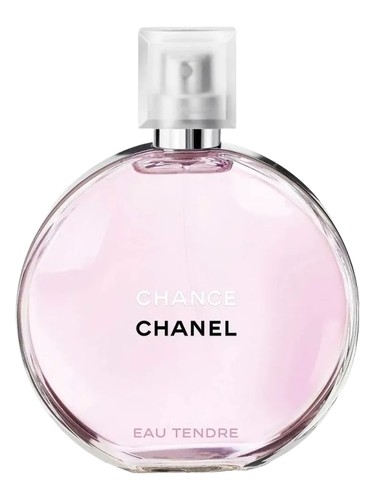
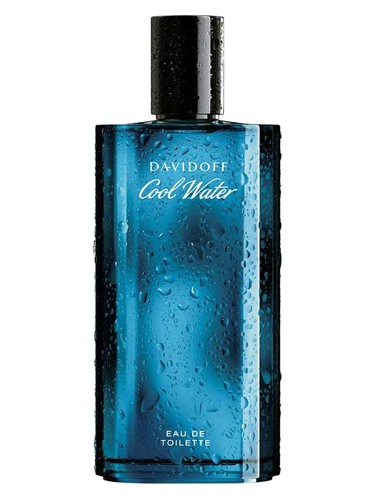
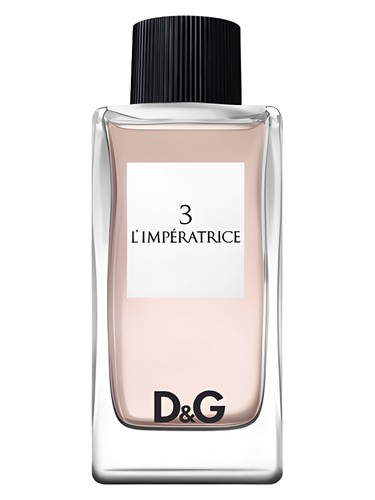
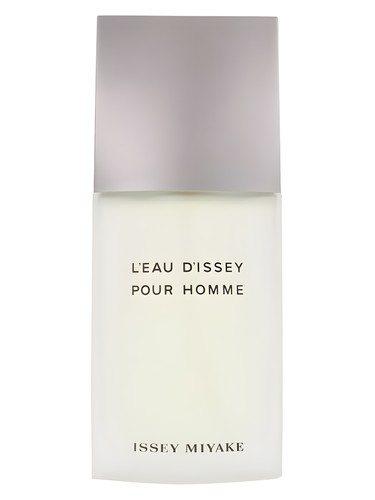
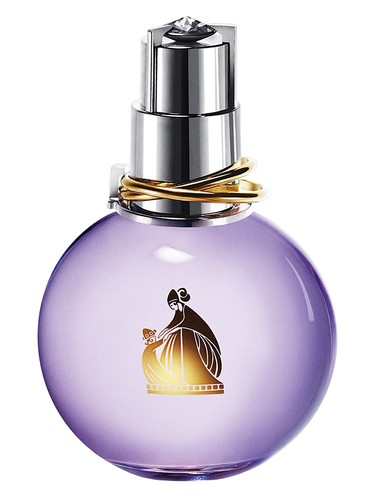
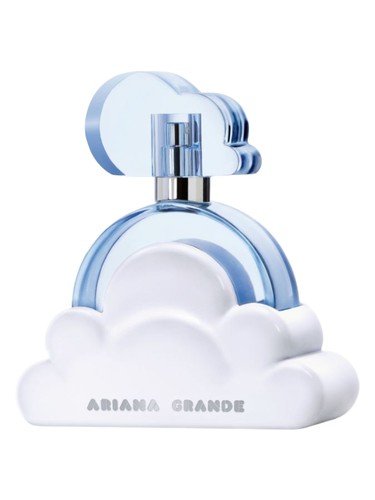
Well-known fragrances with Musk
Fragrances that list it in their notes, most-rated first.
Houses that use it most
Ranked by how many of their well-known fragrances list Musk.