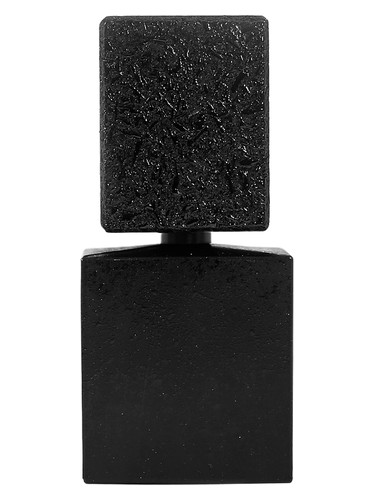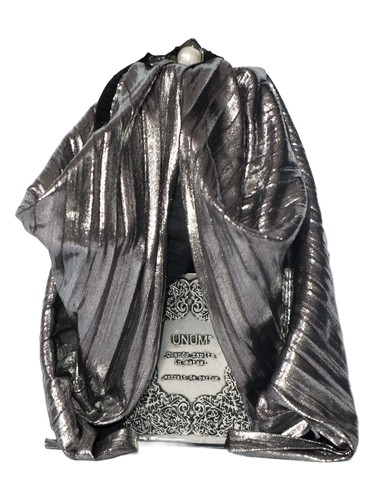
Rosa Fiorita
Fragrance notes
Character
Rosa Fiorita opens with geranium that carries a faint green edge into the floral heart. May rose and lily-of-the-valley lead the center, supported by iris that smooths the transition. The base brings damask rose and honey, which give the scent a warm, slightly viscous finish. The honey does not dominate, but it rounds the rose enough that the drydown feels deliberate rather than sugary. The scent stays present for a good portion of the day without ever expanding past the immediate area around the wearer. It remains close, noticeable when someone is near, rather than announcing itself across a space.
The aromatic accord keeps the flowers from feeling heavy, and the fresh spicy note adds a quiet lift that prevents the honey from settling too flat. This is a rose that moves through warm air without wilting. It suits bright mornings and open afternoons when the light is clear and the air carries a little warmth. The floral and white floral accords work together so that the scent feels composed rather than crowded. There is no sharp turn between the heart and the base, only a steady deepening as the rose settles.
The overall impression is calm and persistent, shaped by the rose at every stage. It fits someone who wants a floral that does not fade quickly but also does not demand attention from across a room. Wear it when the day is active and the air is mild, and let the rose carry through without needing to reapply. It is for the wearer who prefers a scent that stays near, steady and unforced, from the first spray until the light begins to change.
Smells similar
Built from the same materials — ranked by how unusual the shared notes are, not by how many.