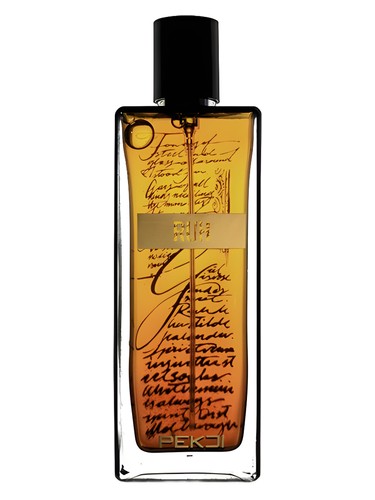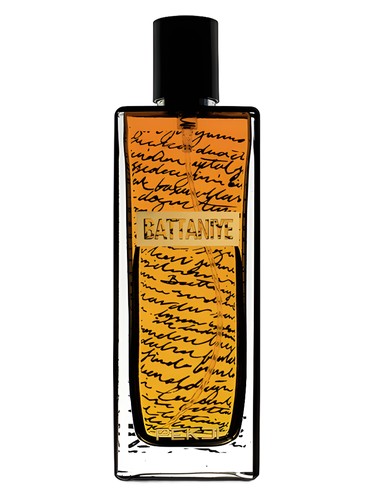
Battaniye
Fragrance notes
Character
Battaniye by Pekji opens with a startlingly literal blast of soil tincture, damp earth and cold ash, as if you have pressed your nose into the forest floor after a controlled burn. The honeysuckle flickers through the murk, a fragile white floral ghost that refuses to be fully extinguished. That is the tension here: the sweetness of amber and labdanum wrestling with the raw bitterness of Java vetiver and patchouli, while wool and musk wrap everything in a dense, fibrous blanket. This is not a fragrance that announces itself from across the room, the sillage sits close, a 3.47 that feels deliberate rather than weak, like a secret you are sharing with your own collar.
The heart of Battaniye is a worn wool coat hung near a dying hearth, the smoke and soil clinging stubbornly to its fibers, the warmth of the fire just beginning to soften the edges. It develops slowly, the ash mellowing into a balsamic, almost resinous amber, but the earthiness never fully surrenders. On skin it lasts a solid workday, a longevity of nearly 4 out of 5, which feels appropriate for something this introspective. It is neither sweet nor fresh; it is heavy, natural, and proudly niche, the kind of scent that makes you smell like you have been tending a fire in a remote cabin.
Who should wear it? The person who finds comfort in melancholy, who wants to smell like weather and solitude. Perfect for deep autumn and brutal winter, and for evenings when the world has gone quiet. Skip it if you crave projection, brightness, or anything that says “come closer” instead of “stay back.” It has a monastic stillness that not everyone will love, and that is exactly the point.
Smells similar
Built from the same materials — ranked by how unusual the shared notes are, not by how many.