Acqua Gotica
Fragrance notes
Character
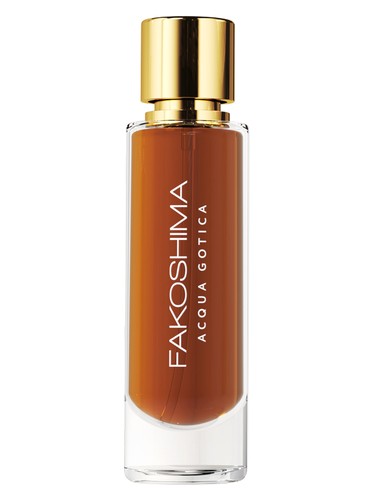
Acqua Gotica opens like a half-empty martini glass left on a coastal jetty at dusk, the brine and gin sharp enough to cut through the smoke curling from a distant bonfire. That initial blast is startling in its precision, a marine bitterness laced with oyster liquor and the medicinal tang of styrax, more challenging than inviting. The heart softens the assault with suede and salt, while osmanthus and elemi add a mineral sweetness that fights the rose for attention, like polished driftwood tangled in wet velvet. As it dries, amber and labdanum warm the tobacco and dried fallen leaves into something almost cozy, but the patchouli keeps it stubbornly grounded, never quite surrendering to comfort.
This is a fragrance that feels deliberately niche, its synthetic edges sanded but not erased. It conjures a single vivid image: a fog-soaked seaside cemetery in late autumn, where the air carries both the rotting kelp and the resin from a forgotten church. The votes give it a middling 3.31, and the numbers on longevity and sillage are honest. This scent barely whispers after two hours and hugs skin within four, which is its real weakness. Those expecting a roaring aquatic will be disappointed; this is a salt-crusted elegy.
It suits someone who loves asymmetry, who wears charcoal linen and drinks negronis in the rain. Skip it if you crave projection or prefer your coastal scents sunny and coconut sweet. Wear it for a solitary evening walk in October, when the air already smells of wet leaves and woodsmoke, because Acqua Gotica is best when it can blend with the atmosphere rather than fight it. Is there anything more poetic than a perfume that knows it will fade, and leans into that impermanence with dignity?
Smells similar
Built from the same materials — ranked by how unusual the shared notes are, not by how many.