Patchouli
Fragrance notes
Character
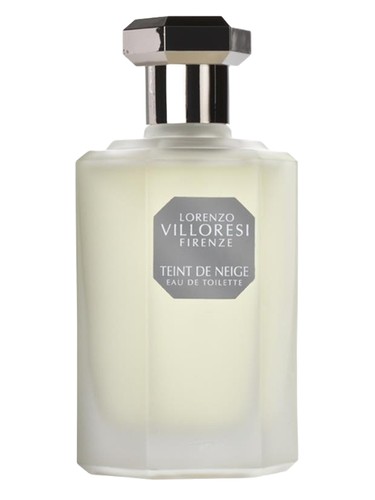
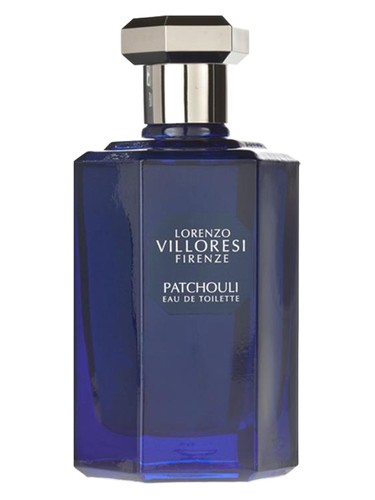
Patchouli by Lorenzo Villoresi opens with a slap of green lavender that barely has time to bloom before the patchouli steamrolls in, dense and rooty as freshly turned earth in a rainstorm. This is not the sweet, candied patchouli of the 70s revival; it is the real thing, dark and medicinal, with a camphoraceous bite that settles into the heart with unapologetic insistence. The drydown, however, softens its edges: vetiver and oakmoss add a dusty, forest-floor texture, while cedar and sandalwood lend a quiet, almost milky warmth, and benzoin and musk stitch everything together into a low-hum balsamic glow. The whole journey feels like walking through an old apothecary where jars of dried herbs and resinous tinctures line the shelves, each one whispering its own story. It is a niche composition through and through, leaning heavy and natural, with zero concern for mainstream flirtation. The lavender top is the only concession to brightness, and even that is quickly swallowed.
Who should wear this? Anyone who wants their patchouli to smell like a root cellar after a harvest, not like a head shop incense holder. Those who prefer clean, synthetic florals or sugary gourmands should move along—this is not for you. The numbers tell a honest story: longevity is decent but not beastly—expect four to five hours before it retreats to a skin scent—and sillage stays close after the first hour, more intimate than declarative. It shines in cool weather, particularly autumn and winter, and works beautifully for daytime introspection or a quiet evening by the fire. Would you want a patchouli that shouts when it could murmur instead?
Smells similar
Built from the same materials — ranked by how unusual the shared notes are, not by how many.