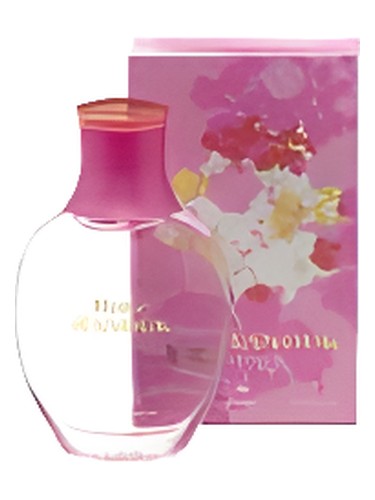
Rose d'Anouk
Fragrance notes
Character
Rose d'Anouk by Antonio Puig begins with a bright, sunny mandarin orange note that feels freshly peeled rather than candied. This citrus opening is not just a brief introduction but a vibrant, lasting presence that immediately establishes a cheerful, unpretentious mood. It smells yellow and warm, suitable for a bright morning where the air is clear and the day feels open. The immediate impression is one of clean, accessible energy, focusing on a simple, happy fruitiness that avoids heavy synthetic edges.
As the mandarin settles, the heart notes emerge with a soft, indolic rose supported by powdery violet and a gentle shake of pepper. The spice here is not sharp or aggressive. It provides a quiet, clean vibration that keeps the floral blend from becoming too soft or sleepy. The pepper adds a dry, modern edge to the classic rose and violet pairing, making the scent feel more like a comfortable cotton fabric than a heavy silk. It is a clean, slightly fuzzy floral arrangement that maintains a steady, approachable character without becoming overly complex or dramatic.
The base is a very light, clean musk that merges with the remaining citrus and floral traces to create a soft, powdery skin scent. It suits someone looking for a low-stakes, easy-to-wear floral that does not demand attention or make a grand statement. It is not for those seeking deep, resinous rose or a scent with a dark, mysterious atmosphere. The overall feeling is one of a casual, sunlit park bench, where the air smells of warm citrus skin and clean laundry, resting finally on the pale pink petals of a bouquet left to dry in a wide, sun-filled window.
Smells similar
Built from the same materials — ranked by how unusual the shared notes are, not by how many.