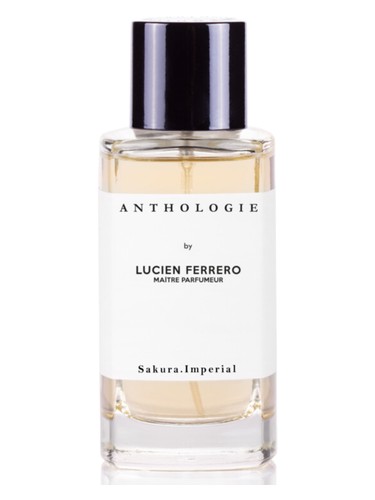
Sakura Imperial
Fragrance notes
Character
Sakura Imperial exists for the quiet moments when you want to be noticed without raising your voice. The blend of Japanese cherry blossom and raspberry blossom creates a floral fruitiness that feels natural rather than candied. This combination carries a depth that stays present through a full morning of activity, resting comfortably near the skin so it does not overwhelm a small workspace. It is a composition built on subtlety, where the tonka bean adds a smooth warmth that supports the petals without turning the air heavy.
The inclusion of Italian lemon and cypress provides a green, aromatic lift that cuts through the softness of the blooms. This sharpness ensures the scent remains fresh, making it ideal for a walk through a sunlit park or a casual outdoor gathering. You feel wrapped in a clean, botanical aura that complements a gentle breeze and the sound of rustling leaves. The sandalwood grounds these brighter elements, giving the fragrance a woody backbone that feels sophisticated and calm.
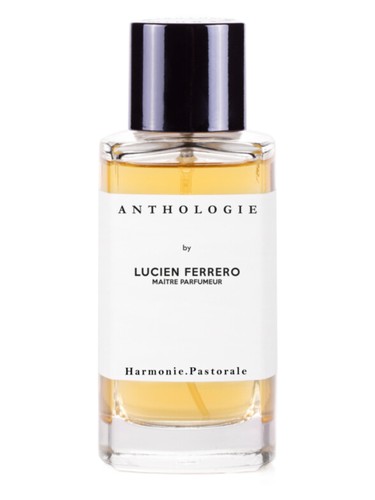
Lucien Ferrero composed a scent here that favors grace over power. It suits someone who views perfume as a personal companion rather than a loud statement to the room. The way the chamomile and black pepper peek through the heart of the blossoms suggests a complexity that rewards leaning in close, a reward for those who appreciate a detailed, evolving aroma that shifts as the sun moves across the sky and the light changes the mood of the afternoon.
Smells similar
Built from the same materials — ranked by how unusual the shared notes are, not by how many.