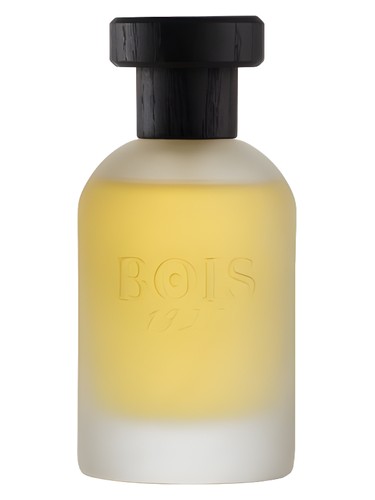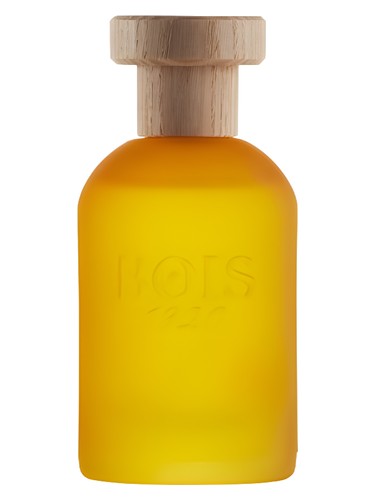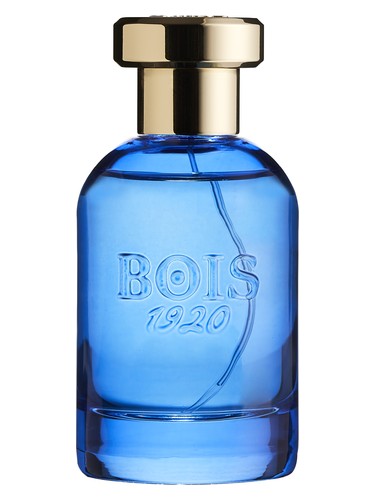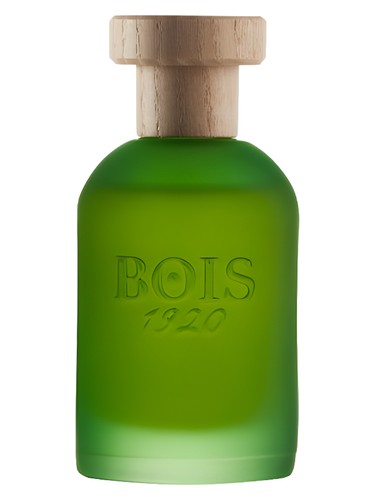
Real Patchouly
Fragrance notes
Character
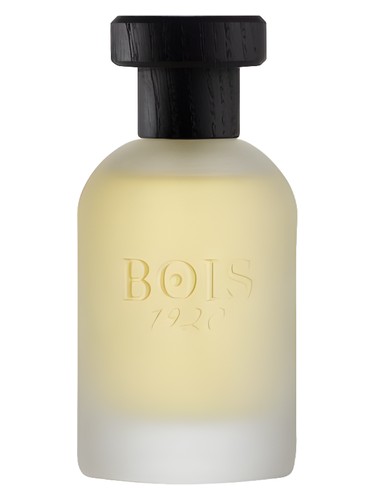
Real Patchouly opens with a surprising slash of cedar, sharp and almost medicinal, before the main act sweeps in. The patchouli here is not the green, hippie-dippie leaf but a dark, fermented earthiness, wrapped in sandalwood’s creamy grain and a whisper of thyme that keeps things from getting too heavy. As it settles, amber and tobacco rise like the warm dust of an old library, with vanilla and musk softening the edges into a powdery, balsamic haze. The overall character is that of a well-worn leather armchair, left for decades in a sunlit study, its stuffing saturated with pipe smoke and forgotten secrets.
This is a thoroughly natural-feeling scent, leaning niche in its refusal to brighten or sweeten the patchouli into crowd-pleasing territory. Yet the longevity and sillage are moderate at best, a 3.77 and 3.04 on the numbers, which means it sits close to the skin after a few hours. That is its primary weakness: a fragrance this rich deserves more projection, but it becomes a personal cocoon instead of a room-filling statement. It feels heavy, warm, and slightly sweet from the vanilla, but never cloying.
Who should wear it? The person who wants to smell like a thoughtful, slightly brooding autumn afternoon. It thrives in fall and winter, works for day or night, and suits anyone who loves earthy, woody orientals without a blast of citrus. Skip it if you want a fresh, summery patchouli or a nuclear projector. But if you appreciate a scent that whispers rather than shouts, one that is content to be a secret between you and your collar, this bottle is worth the investment.
Smells similar
Built from the same materials — ranked by how unusual the shared notes are, not by how many.