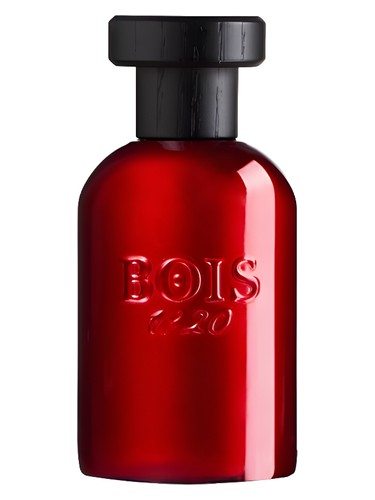
Relativamente Rosso
Fragrance notes
Character
Relativamente Rosso opens with a sugar-dusted rose, the petals still warm from incense smoke. This is not a shy floral; the Rose de Mai is voluptuous, almost jammy, but the sugar and frankincense keep it from tipping into cloying territory. As it develops, immortelle and davana introduce a curious herbal buzz, like dried herbs stirred into honey, giving the composition a syrupy, slightly animalic tension. The dry down reveals a dense base of black amber and vanilla, softened by patchouli and vetiver into a resinous, earthy sweetness that clings to the skin like a velvet gown soaked in honey and incense smoke.
This is a fragrance of contrasts: sweet yet herbaceous, floral yet balsamic, decadent yet grounded. It feels like a burnished copper kettle simmering with spiced rose syrup, emitting a glow rather than a shout. But the numbers tell a honest story: longevity is respectable but not extraordinary, and sillage hovers close to the skin after the first hour. For a niche offering with these weighty notes, one might wish for more projection, especially given its dark, opulent character.
It suits those who crave a gourmand-amber with a gothic floral twist, a scent for cool evenings and colder months. It thrives in autumn and winter, best worn after dusk, when its warmth can wrap around you like a cashmere throw. Skip it if you prefer crisp, airy freshness or if you are sensitive to heavy, syrupy accords. This is a fragrance that whispers rather than demands, but its whisper carries the scent of beeswax candles and dried roses, a quiet, unapologetic richness.
Smells similar
Built from the same materials — ranked by how unusual the shared notes are, not by how many.