Green (Аромат Карелии - Зеленый)
Fragrance notes
Character
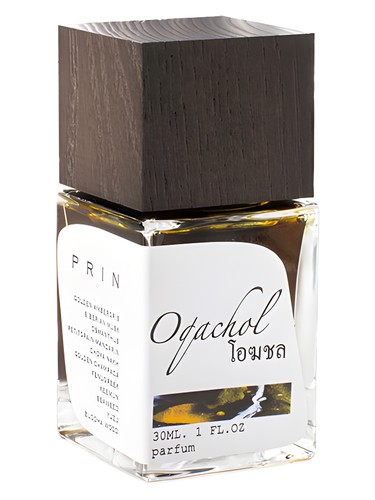
Most honey perfumes play it safe with sugary warmth, but this one throws the kitchen sink at you. Honey, oakmoss, seaweed, choya nakh, angelica, champaca, and lotus should clash, yet they create a weirdly compelling green-gold haze. It smells like a damp forest floor right where the trees meet a salty coastline. The honey is sticky and dark, the seaweed brings a sharp mineral bite, and the oakmoss adds a cool, shadowy earthiness. It is sweet, yes, but that sweetness is cut by something distinctly dirty and musky. You get waves of floral champaca and lotus, but they feel submerged, like flowers floating in a brackish pond rather than a fresh bouquet.
This is not a polite, office-safe scent. It has a heavy, almost medicinal edge thanks to the choya nakh, which adds a smoky, leathery roughness that grounds the fragrance. It feels niche and experimental, favoring texture over easy appeal. The combination of marine and mossy notes creates a scent that feels alive, humid, and slightly wild. It is certainly a departure from standard aquatic or floral mainstream releases, offering a perspective that is both ancient and strange.
Because of this intensity, it works best when the air is warm and the sun is out. Picture wearing it while walking through a humid botanical garden or sitting on a wooden dock overlooking a lake. It captures that specific feeling of nature in high gear, where the air is thick with pollen and damp earth. It is an outdoor scent, vibrant and attention-grabbing, perfect for those long, active days when you want your presence to feel as bold as the landscape around you.
It is for the person who wants their skin to smell like a specific, untamed place rather than a pretty bouquet. This suits the adventurous spirit who enjoys scents that challenge the nose and refuse to be ignored. Wear it when you want to feel connected to the elements, embracing the messiness of the natural world in a bottle.
Smells similar
Built from the same materials — ranked by how unusual the shared notes are, not by how many.