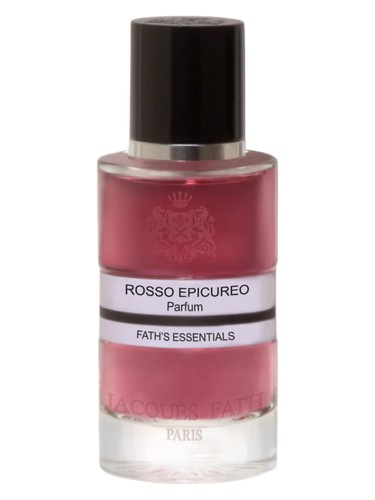
Rosso Epicureo
Fragrance notes
Character
Rosso Epicureo opens with a generous splash of syrupy plum and black currant, their sweetness cut by a prickly Sichuan pepper and the dry herbal bite of artemisia. It feels like biting into a dark fruit compote dusted with spice, immediately rich and slightly animalic. The heart blooms into a full orchestral white floral arrangement: tuberose is the loudest voice here, creamy and indolic, backed by jasmine, orange blossom, and a powdery damask rose that softens the edges. As it settles, vanilla and amber melt into a warm, musky base with a faint patchouli earthiness, but the sweetness never fully recedes.
This fragrance is a red velvet curtain in a dimly lit dining room: plush, floral, and just a little bit sticky. It leans synthetic in its fruitiness but has enough natural floral nuance to avoid drugstore territory. The performance is moderate at best, longevity hovering around four hours and sillage settling close to skin after the first hour, so don’t expect a room filler. That restraint makes it wearable for daytime in fall, its ideal season, when the sweet spice and tuberose feel cozy without being suffocating. Spring and winter also work, but summer turns it cloying.
Who should wear it? Someone who loves a fruity tuberose with a gourmand edge, a scent that feels dressed up but not formal. Skip it if you prefer airy florals or crisp citruses, because this is a perfume that sits heavy on the chest like a second layer of clothing. It is not groundbreaking, but it knows exactly where it belongs: at a Sunday lunch with good wine and a cashmere scarf, not at a late night party where it would disappear.
Smells similar
Built from the same materials — ranked by how unusual the shared notes are, not by how many.