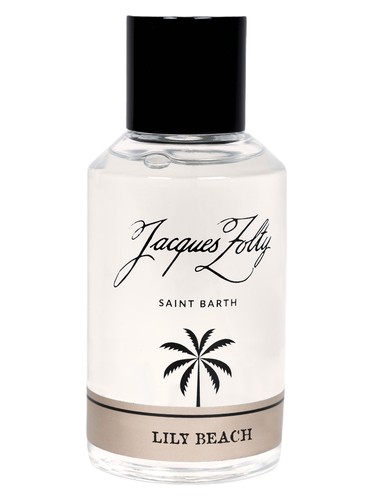
Lily Beach
Fragrance notes
Character
Lily Beach opens with a brisk mix of ivy and ginger, supported by the peppery bite of cardamom and the clove-like edge of carnation. The green stems and the warm spice sit side by side, so the first impression feels vertical rather than rounded. Lily takes over quickly and carries the composition through its middle, its clean white petals keeping the sharper top notes from feeling dry. Musk and cedar wait underneath, adding a soft woody floor that lets the flower breathe without turning heavy. The spice in the opening stays near the skin, and the floral heart lingers in that same personal space while the musk slowly extends the scent through a morning or an afternoon.
The accord list reads fresh, ozonic, and green alongside the white floral and woody notes, so the overall impression stays light rather than rich. It suits someone who likes a floral that does not drift into syrup, and the cedar keeps the petals from smelling like a closed greenhouse. The spice is present but never dominates, which makes the wear feel approachable rather than formal. It works well for a walk along the water or a bright weekend market, where the air is warm and the light is clear. The ginger and ivy give it enough edge to keep it from feeling generic, while the lily remains the steady center.
The carnation and cardamom can read a bit synthetic if you press your nose to the skin, and the lily sometimes lacks depth once the initial spice fades. The cedar is mild and does not add much character after the first hour, so the dry part of the wear feels simpler than the opening promised.
Smells similar
Built from the same materials — ranked by how unusual the shared notes are, not by how many.