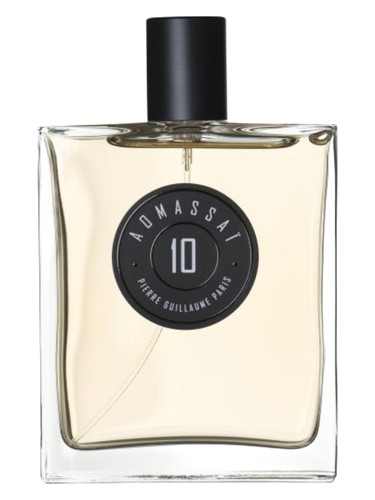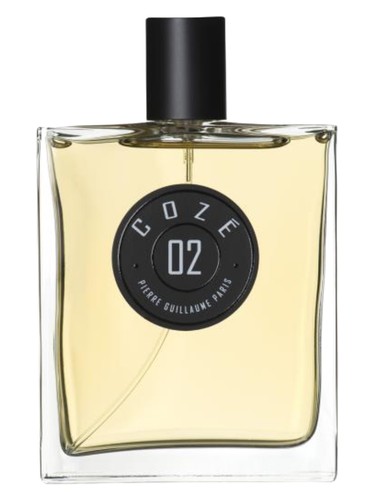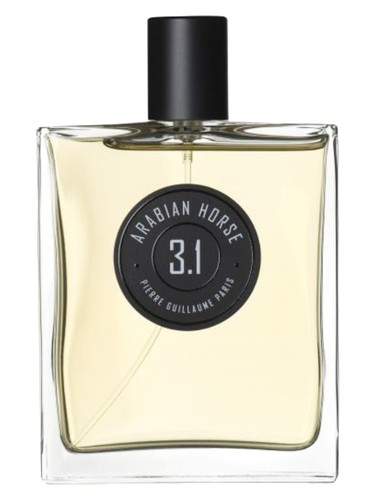
Arabian Horse 3.1
Fragrance notes
Character
Arabian Horse 3.1 opens with a sharp, almost bitter narcissus, its green stems and wildflower petals crushed together in a dewy, grassy snap. The immediate impression is not of sweetness but of damp earth and herbal brightness, like stepping into a meadow just after a spring shower. As the heart emerges, a powdery musk softens the edges, and cypriol oil introduces a smoky, leathery undertone. The base of amber and woody notes wraps everything in a warm, slightly resinous embrace, but this never turns heavy. It stays lean and airy, a Chypre that behaves more like a breath than a statement.
Imagine a silk scarf snagged on a bramble bush, fluttering in a cool breeze, soil and wildflowers clinging to the fabric. That is the character here. It feels natural and understated, closer to niche restraint than crowd-pleasing bravado. With a longevity just south of a workday and sillage that hovers near the skin, this is not a fragrance for those who demand their scent announce itself from across a room. It suits the person who values composition over volume, who wants a green floral that leans earthy rather than girlish. Skip it if you crave bold sweetness or a linear amber bomb.
Wear it on a nippy spring afternoon or a cool fall evening, when the air carries a hint of rain and dying leaves. It works as easily for a daytime walk as it does for a quiet dinner, though the slight nocturnal tilt in the votes suggests it settles beautifully into twilight. This fragrance will not gallop, but it will linger like a quiet secret pressed against your collar.
Smells similar
Built from the same materials — ranked by how unusual the shared notes are, not by how many.