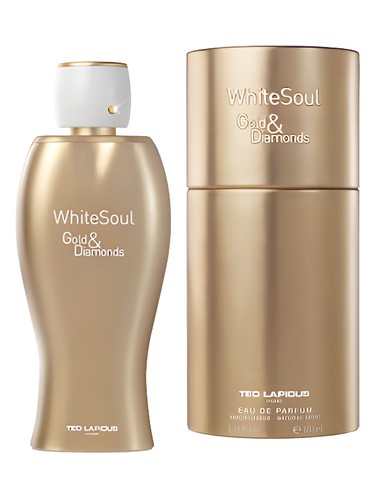
White Soul Gold & Diamonds
Fragrance notes
Character
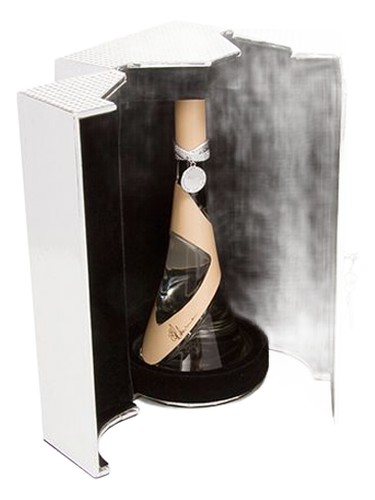
White Soul Gold & Diamonds opens with a bright citrus fizz of mandarin and neroli, the kind of sparkling top note that promises something celebratory. But within moments, the jasmine sambac and orange blossom rush in, and the whole composition turns creamy, almost waxy, like a bouquet dipped in honey. The dry down is where Francis Kurkdjian's hand shows: amber and vanilla orchid meld with heliotrope into a soft, powdery warmth that clings to the skin like the faint residue of a sugar-dusted almond cookie. The overall character is a gilded cage of white florals, a bouquet displayed under glass in a hotel lobby, pristine and unchallenged.
It feels sweet and decidedly synthetic, in the polished, mainstream way of a department store flanker. The longevity is modest at 3.6 out of 5, and the sillage hovers close, never demanding attention. This is a fragrance that whispers rather than announces, which is both its charm and its limitation. It suits someone who wants the idea of a floral oriental without the weight, someone who prefers a shimmer of sweetness over a deep amber hug. Those who crave bold, naturalistic jasmine or complex, dirty notes should skip it.
It is best worn in fall and winter, where the powdery vanilla can bloom against cold skin, and it works equally well for day and night, though it leans too gentle for a true evening statement. Think of it as the perfume version of a cashmere throw, soft, warm, and forgettable in the best way, albeit with a price tag that hints at diamonds while delivering cubic zirconia.
Smells similar
Built from the same materials — ranked by how unusual the shared notes are, not by how many.